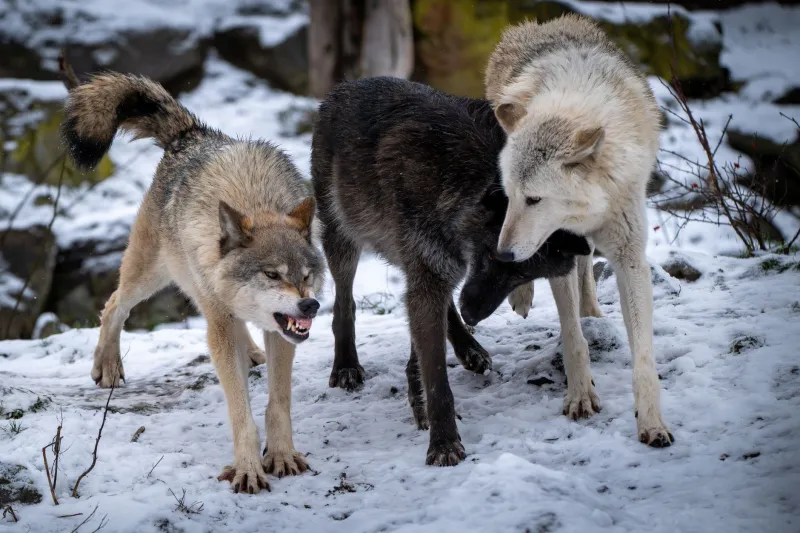
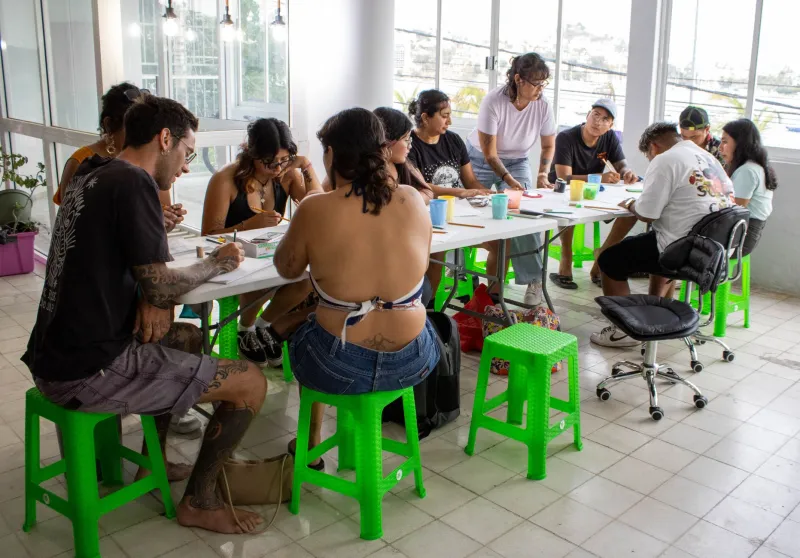
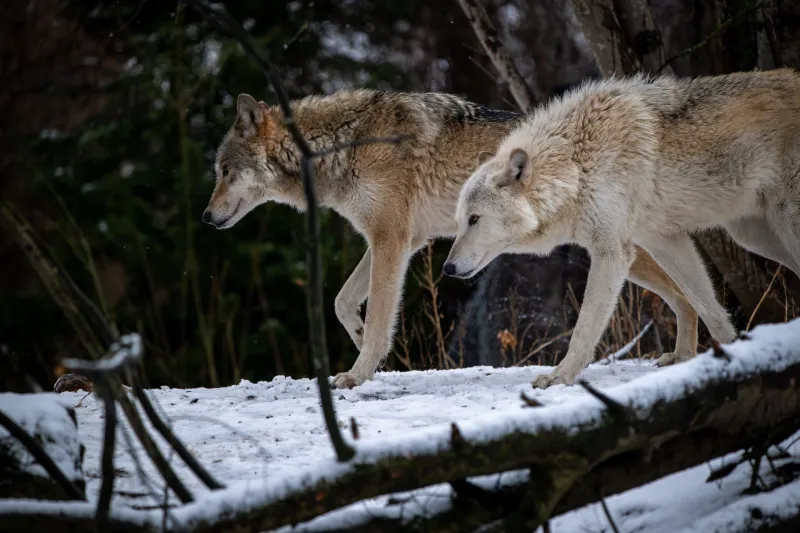
When the Wolf at Your Side Bares Its Teeth: Surviving Betrayal Inside Your Own Pack
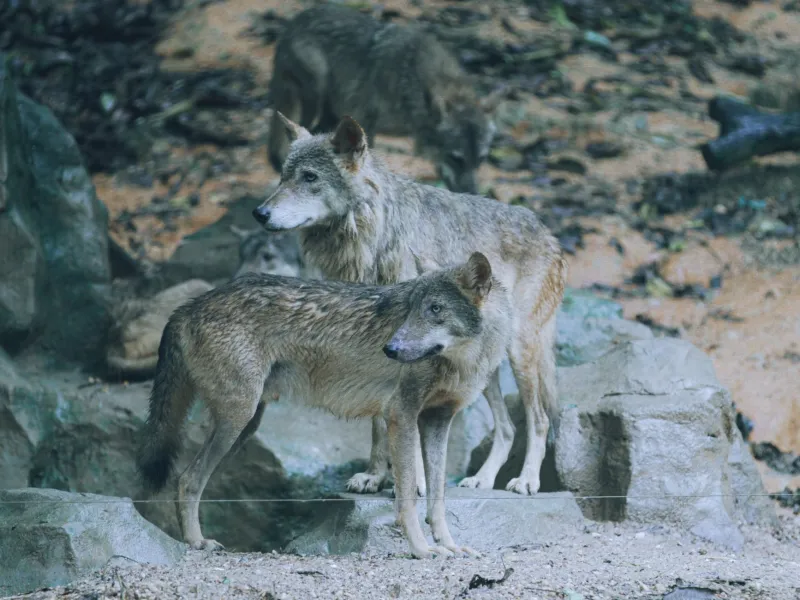
There's a particular kind of wound that doesn't come from a stranger. It comes from someone who knew your ideas before they were finished. Someone who sat in your late-night voice chats, read your early drafts, watched you fumble through the raw, ugly middle of something you were building — and then used all of that against you.
Creative betrayal is real. It happens in indie game studios, in writing groups, in podcasting collectives, in art crews. It happens in small-town bands and massive Discord servers. And for a community that talks a lot about the power of the pack, we don't talk nearly enough about what to do when a pack member goes predator.
This is that conversation.
The Shape of the Threat
Betrayal inside a creative group doesn't always look like someone walking off with your hard drive. More often, it's quieter. It's a collaborator who pitches your unreleased concept to another team — the one you mentioned casually during a Zoom call you thought was safe. It's a co-writer who takes the character you built together and publishes a solo project that files the serial numbers off just enough to be technically deniable. It's a teammate who starts subtly discrediting your contributions to mutual contacts, repositioning themselves as the real creative engine behind everything you built together.
Some betrayals are about money. Some are about credit. Some are just about ego — someone in the pack decides they'd rather be the alpha of a smaller operation than a trusted member of something bigger.
Marcos, a tabletop RPG designer based in Austin, lived this. He'd spent two years building a homebrew system with a group of four collaborators — playtesting, refining mechanics, writing lore. When the project was close to a crowdfunding launch, one of his co-designers quietly registered a near-identical game concept under a solo LLC. "He used our internal documentation," Marcos said. "Language we'd written together. He just changed enough that a cease-and-desist felt pointless to pursue."
The legal road is expensive and uncertain. The emotional road is worse.
Why Packs Produce This Problem
Here's the uncomfortable truth: the same conditions that make creative collaboration powerful are the conditions that make betrayal possible. Vulnerability, shared access, deep trust — these are the things that let a pack build something none of its members could build alone. They're also the things that, in the wrong hands, become weapons.
When you bring someone into your creative process early, you're handing them a map of your thinking. You're showing them the soft underbelly of an idea before it has armor. That's not a mistake — it's how real creative work happens. But it means that vetting who gets that access matters more than most packs acknowledge until it's too late.
The mistake isn't trusting. The mistake is trusting without structure.
The Insider Advantage — Theirs, Not Yours
What makes internal betrayal so uniquely damaging is the information asymmetry it creates. A rival you've never met doesn't know your doubts, your timelines, your audience research, your unfinished pivots. A former pack member does. They know which parts of your project you're least confident about. They know how to frame a competing narrative that hits your weak spots because they watched you identify those weak spots out loud.
Jessica, a fiction writer and podcast producer in Chicago, describes how a former creative partner used their shared history to undermine her publicly. "She started showing up in spaces where my audience was and framing things in ways that were technically true but totally out of context. She knew exactly what criticism would land because she'd heard me be self-critical about the same things."
This is predator behavior. It's not random. It's targeted, and it works because intimacy was weaponized.
What Survival Actually Looks Like
Let's be clear: there's no clean ending to this kind of story. You don't get full justice. You don't always get credit restored. What you get, if you're intentional about it, is a path forward that doesn't require you to become a lone wolf.
Document early and often. Not because you're paranoid, but because timestamps, version histories, and written agreements are the infrastructure of creative trust. Google Docs version history. Email threads that establish authorship. Simple collaboration agreements drafted before the work gets serious. None of this is adversarial — frame it as professionalism, because that's what it is.
Separate the pack from the person. One bad actor doesn't mean collective creative work is broken. Marcos rebuilt with a smaller, more deliberately chosen group. He's still making games. Jessica relaunched her podcast with a co-host she'd known for a decade. The betrayal was real, but it wasn't the final word.
Control your narrative before someone else does. If you know conflict is coming — if someone is leaving badly or tensions have cracked open — get ahead of it with your community. You don't have to air everything. But your audience and peers should hear your voice first, not a version of events curated by someone with a grievance.
Give yourself the grief. This one gets skipped. Creative betrayal is a loss. The project you thought you were building doesn't exist anymore. The person you thought you could trust turned out to be someone else. That's worth sitting with before you sprint to the next thing.
The Pack You Rebuild Is Different
Every creator who's been through this says roughly the same thing on the other side: the pack they built after was smaller, slower to form, and significantly stronger. Not because they closed off, but because they got clearer on what trust actually looks like in practice — not just in feeling.
Red flags they learned to spot: people who are competitive about credit even on small decisions. People who undermine others in the group to build their own standing. People who treat your vulnerabilities like data points rather than shared humanity. People who are always performing loyalty rather than just being loyal.
Wolves don't run with every wolf they meet. The pack is chosen. It's maintained. It requires ongoing attention to who belongs and who's drifted into something else.
Not every pack is safe. Some of the most dangerous territory you'll ever cross is the space between people who know too much about each other and stopped caring about the same things.
But the answer isn't to run alone. It's to run smarter — with eyes open, with structure in place, and with a hard-won understanding that real packs are built, not assumed.
You survived. Now build something that lasts.