Hungry Packs Win: Why the Best Creative Crews Never Get Comfortable
There's a particular kind of silence that falls over a creative group when things are going too well. The project's humming along. Everyone's happy. The Discord server is full of praise and zero friction. It feels good — and that's exactly when you should start worrying.
The best packs don't just run together. They run toward something. And the moment that forward motion stops, the pack starts to scatter.
The Biology of the Hunt
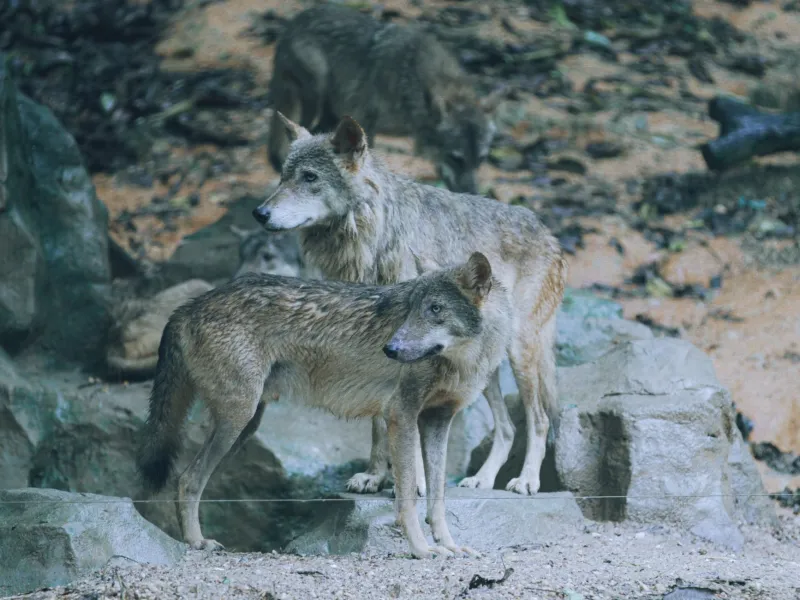
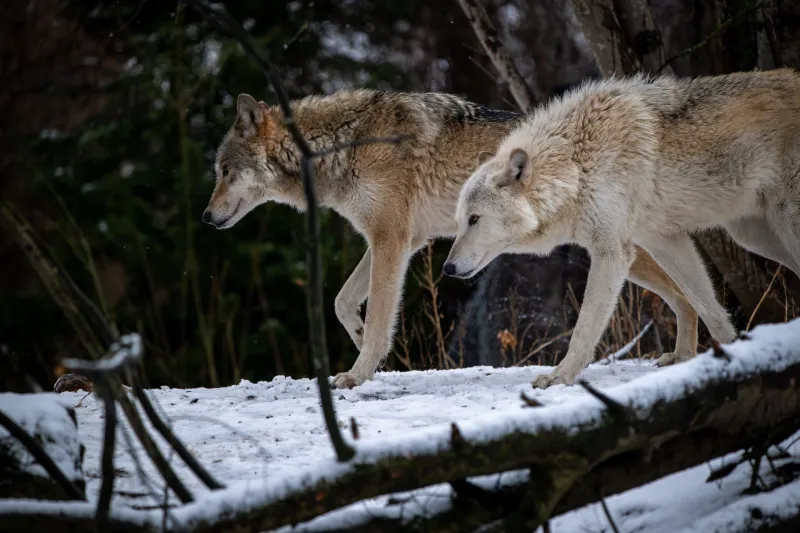
Wolves don't hunt because they're angry. They hunt because staying still isn't in their nature. The pack moves, scouts, pivots, and pushes — not out of desperation but out of an almost genetic drive to keep the momentum alive. Strip that away and you don't get a peaceful wolf. You get a listless one.
Creative communities work the same way. The psychology behind what researchers sometimes call "productive restlessness" — that low-level, shared dissatisfaction with the current state of a project — is actually one of the strongest indicators of long-term collaborative health. It's not anxiety. It's appetite.
When a group of people genuinely believes their best work is still ahead of them, they behave differently. They share more freely. They challenge each other without it feeling personal. They're willing to throw out what's working if something better is within reach.
What Settled Packs Look Like (And Why It's a Problem)
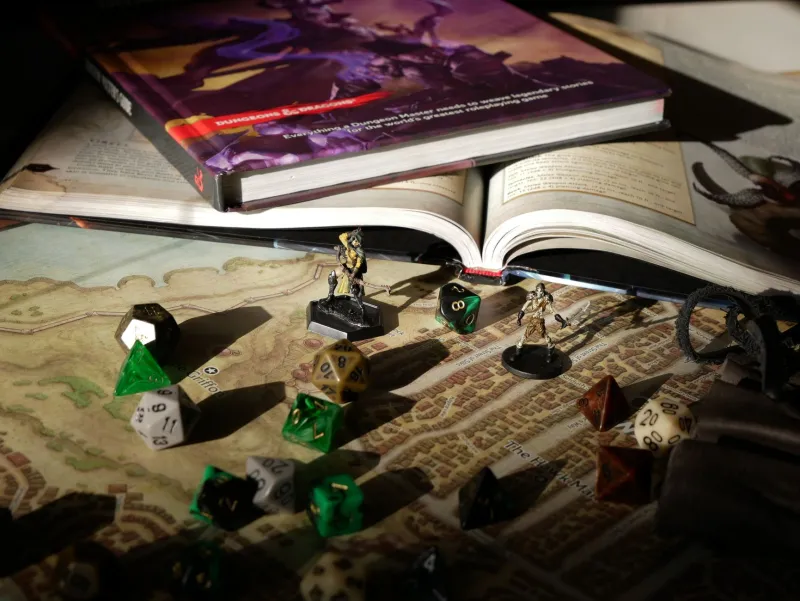
You've probably seen a creative community hit a wall without realizing it. Maybe it was a tabletop RPG group that played the same campaign style for two years because "that's just how we do it." Maybe it was a writing collective that stopped submitting to new venues because their newsletter numbers were solid enough. Maybe it was an indie game studio that shipped one well-received title and spent the next eighteen months basking in it.
None of those things are bad in isolation. Rest is real. Celebration matters. But there's a difference between a pack catching its breath after a hard run and a pack that's forgotten how to run at all.
Settled creative teams tend to develop a specific kind of insularity. Feedback loops tighten. New ideas get filtered through a lens of "but that's not really what we do." The language shifts from what could we try to what has worked for us. And slowly, quietly, the hunger disappears.
The Indie Studio Model: Always Scouting New Ground
Look at some of the most talked-about indie studios over the last decade — teams like the folks behind Hades, Celeste, or Disco Elysium — and you'll notice a pattern. None of them described their process as "figuring out the formula and repeating it." Every one of those teams was, by their own accounts, chasing something just slightly out of reach.
Supergiant Games, the studio behind Hades, has been almost aggressively restless by design. They ship, they reflect hard, and they pivot. The team openly discusses what didn't land, what they wish they'd done differently, and what they're itching to try next. That itch isn't a bug. It's the whole operating system.
Smaller writing collectives across the US are finding the same rhythm. Groups that meet monthly to workshop fiction often describe their most productive seasons not as the ones where everyone was happy, but the ones where everyone was slightly uncomfortable — pushing into new genres, experimenting with structure, submitting to publications that felt like a stretch.
How to Keep the Pack Moving Without Burning It Out
Here's where it gets practical, because restlessness without direction is just chaos. The goal isn't to manufacture anxiety or to convince your crew that nothing they do is ever good enough. The goal is to build a culture where the question what's next? is always sitting somewhere on the table.
Set a horizon, not just a finish line. Finish lines are great — ship the game, publish the anthology, launch the season. But the pack needs to see past that moment. Even a loose, speculative conversation about what comes after keeps the momentum from dying the second you cross a milestone.
Normalize productive dissatisfaction. Make it safe to say "I think we can do better than this" without it reading as an attack. The best creative packs have a shared language for honest critique that doesn't carry personal weight. Build that language deliberately.
Rotate who's leading the charge. In a wolf pack, different members scout different terrain. If the same person is always driving the ambition and energy, the pack becomes dependent on one individual's restlessness — which is fragile. Spread the hunger around.
Celebrate the pursuit, not just the kill. Gaming communities that thrive long-term tend to find as much joy in the run as in the win. A speedrunning community isn't just celebrating the record — it's celebrating the obsessive, collective drive to shave off another second. That culture of honoring the chase keeps people engaged even when the big wins are sparse.
The Pack That Stays Hungry Stays Together
There's a counterintuitive truth buried in all of this: the creative communities most likely to fall apart aren't the ones dealing with conflict or growing pains. They're the ones that got comfortable and stopped giving their members something to run toward.
Hunger — real, shared, directional hunger — is a form of trust. It says: we believe there's more out there, and we believe we can get there together. That belief is what separates a pack that lasts from a group that just happened to make something cool once.
Keep moving. Keep scouting. Stay hungry.
The hunt never really ends — and honestly? That's the whole point.