Suffering Alone Isn't a Badge of Honor: The Myth That's Killing Creative Work

The Story We Keep Telling Ourselves
Picture the iconic image: a writer hunched over a desk at 2 a.m., cigarette burning down to nothing, no one around, wrestling their masterpiece into existence through sheer personal agony. We've seen that image so many times it feels like truth. It feels like the way.
It isn't.
American individualism runs so deep that we've turned isolation into a creative virtue. Somewhere along the way, we decided that struggle had to be private to be real, that collaboration was a crutch, and that the most authentic work could only come from one person bleeding alone in the dark. We gave that idea a name — the tortured artist — and then we made it aspirational.
The result? A whole generation of creators who treat loneliness like a prerequisite for legitimacy. And a whole lot of half-finished projects rotting in desk drawers.
Where the Myth Actually Came From
Here's the thing about the "lone genius" narrative: it was largely constructed after the fact. We look at a finished novel or a legendary album and we see one name on the cover, so we assume one person in a vacuum. But dig into the history and the picture gets a lot more complicated.
The Harlem Renaissance — one of the most explosive creative periods in American history — was a pack operation. Writers, painters, musicians, and thinkers were constantly in each other's apartments, arguing over manuscripts, reading work aloud, challenging each other to go further. Langston Hughes wasn't producing in isolation. He was embedded in a living, breathing creative community that pushed every word he wrote.
Go further back. The Inklings — the Oxford literary group that included C.S. Lewis and J.R.R. Tolkien — met regularly at a pub called The Eagle and Child to tear each other's drafts apart. Tolkien didn't build Middle-earth alone in a bunker. He built it in conversation, with people who cared enough to push back.
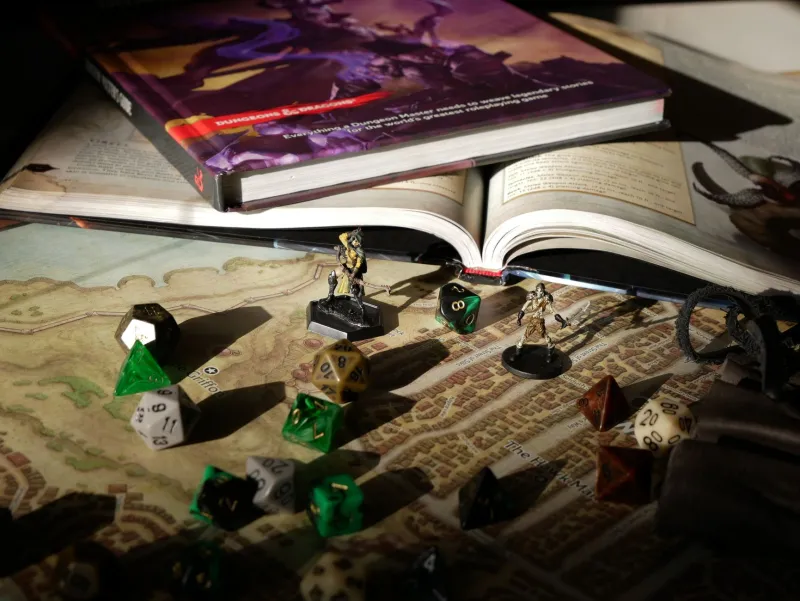
Even in gaming, the designers behind some of the most beloved tabletop and video game worlds were working in dense, collaborative studios — not solo operations. The myth of the singular visionary is a marketing story, not a creative reality.
The Psychological Cost Nobody Talks About
Beyond the historical inaccuracy, the tortured artist myth carries a real psychological price tag. When you believe that isolation is the authentic creative state, you stop asking for help. You stop sharing early drafts. You stop letting people in before the work is "done," which means you also stop getting the feedback that would actually make it good.
Worse, you start interpreting your loneliness as proof that you're serious. The more you suffer, the more you feel like you're doing it right. That's a dangerous loop. It keeps creators stuck in a cycle where the isolation that's supposed to be producing great work is actually just producing burnout, self-doubt, and creative paralysis.
Research in psychology consistently shows that creative output is higher — and more original — when people work within supportive social structures. Accountability, diverse perspectives, and the simple act of having someone else believe in your project all function like fuel. Going it alone doesn't sharpen your work. It just makes the process slower and lonelier than it needs to be.
What Wolves Already Know
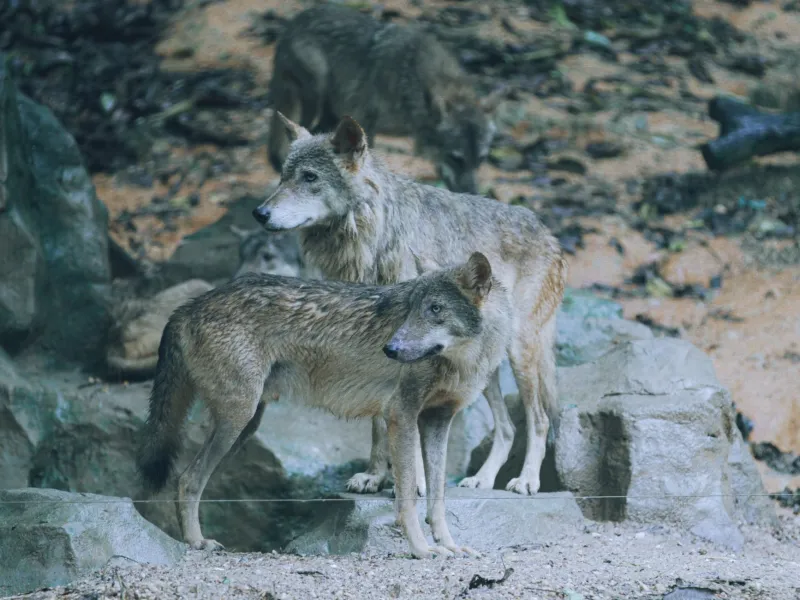
A lone wolf doesn't hunt the elk. It can't. The animal is too big, the terrain too unpredictable, the energy cost too high for a single animal to pull off consistently. Wolves figured out a long time ago that the pack doesn't diminish the individual hunter — it amplifies what each individual can do.
The same principle applies to creative work, even if our culture keeps insisting otherwise.
When you're part of a pack — a writing group, a gaming collective, a creative studio, even just a tight Discord server with people who give a damn — you get things you simply cannot manufacture alone. You get honest feedback from people invested in your success. You get the energy of other people's momentum on the days yours runs dry. You get the specific kind of creative friction that happens when someone who thinks differently than you challenges an assumption you didn't know you were making.
That friction isn't a threat to your vision. It's what sharpens it.
Reframing the Work Without Losing Yourself
None of this means your voice disappears into the group. The Inklings didn't produce identical books. The Harlem Renaissance didn't produce identical art. What a good creative pack does is hold space for each member's distinct perspective while giving that perspective somewhere to grow.
The shift is about reframing what collaboration means. It doesn't mean surrendering authorship. It means accepting that your work exists in relationship to other people — the people who help you make it, and the people who will eventually receive it. Treating creative work as a pack activity doesn't make it less yours. It makes it more fully realized.
Start small if the idea feels threatening. Share one draft with one person you trust. Join one community built around the kind of work you do. Show up for someone else's project the way you wish someone would show up for yours. The pack doesn't have to be large to be real.
The Hunt Doesn't Have to Be Solo
The hunting season for solo creators never ends because the hunt was never designed to be run alone. You can keep grinding through isolation and calling it dedication. Or you can recognize the myth for what it is — a story we inherited, not a law of nature — and start building the kind of creative community that actually gets things made.
The tortured artist is a compelling character. But compelling characters are most interesting when they find their pack.
Yours is out there. Go find it.