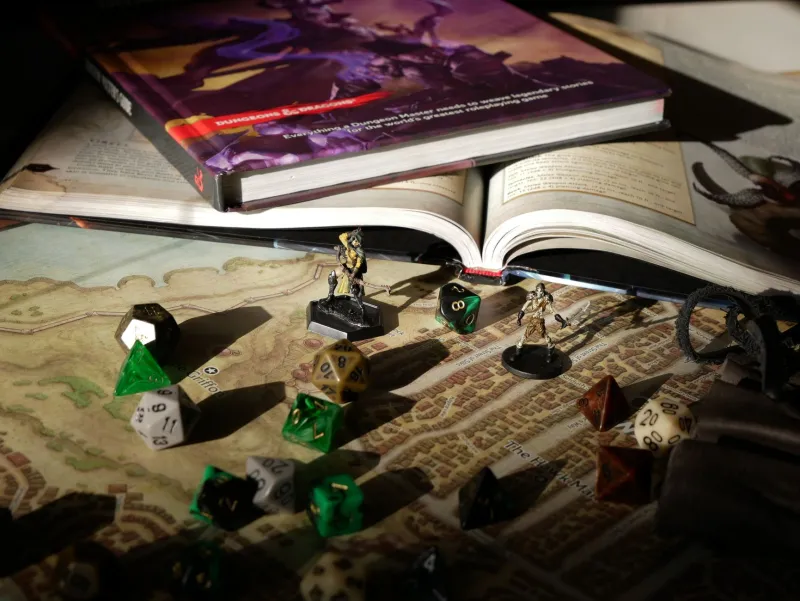
Why Your Creative Project Keeps Dying Alone in the Woods
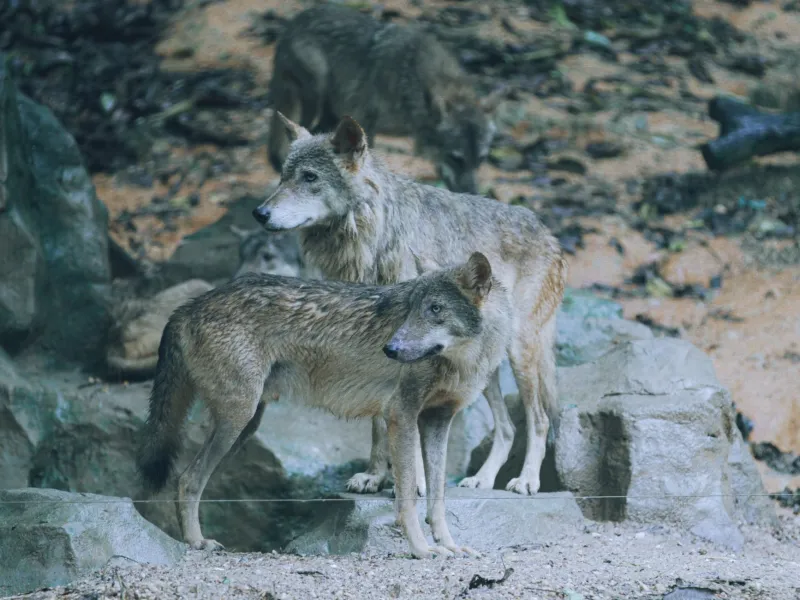
You had the idea in October. By December, the Google Doc was collecting digital dust. By February, you'd stopped opening it altogether.
Sound familiar? You're not alone — though ironically, being alone is exactly the problem.
Creative burnout is one of the most quietly devastating experiences a writer, game designer, or artist can go through. It doesn't announce itself with a dramatic crash. It just... fades. The project that once felt electric starts feeling like homework. Then like a chore. Then like something you used to care about.
Here's the uncomfortable truth: for most of us, the solo creative journey isn't heroic. It's just slow extinction.
The Brain Wasn't Built for the Solo Hunt
Neuroscience has a lot to say about why isolated creative work tends to collapse. When you're working alone with no external feedback loop, your brain's reward system essentially starves. Dopamine — the chemical that drives motivation and goal pursuit — needs reinforcement signals to stay active. Without them, it drops off.
Dr. Matthew Lieberman, a social neuroscience researcher at UCLA, has spent years studying how deeply the human brain is wired for social connection. His findings are striking: the same neural networks that process physical pain also light up during social exclusion. Isolation, in other words, doesn't just feel bad emotionally. Your brain registers it as a genuine threat.
Now apply that to a creative project. You're working in a vacuum. No one's reading your chapters. No one's playtesting your game. No one's reacting to your art. Your brain, operating on ancient survival logic, starts interpreting this silence as a warning signal. Why are we spending energy on something that no one else sees? Is this safe? Should we stop?
And so you stop.
The Myth of the Lone Genius
American culture is deeply in love with the image of the solitary creator. The writer in a cabin. The inventor in the garage. The artist suffering beautifully alone. We've mythologized creative isolation to the point where asking for help feels like admitting weakness.
But look closer at almost any major creative work and you'll find a pack hiding behind the myth. Stephen King has famously credited his wife Tabitha with pulling the manuscript of Carrie out of the trash — the novel that launched his career. Dungeons & Dragons emerged from a tight circle of game enthusiasts trading ideas back and forth. Pixar's entire creative process is built around what they call "Braintrust" sessions, where directors present rough cuts and receive unfiltered, honest feedback from peers.
The lone genius narrative isn't just inaccurate. It's actively harmful, because it makes creators feel ashamed of the very thing that would save them: community.
What Accountability Circles Actually Do
The term "accountability partner" gets thrown around a lot in productivity circles, often in a way that makes it sound like a fancy word for nagging. But real creative accountability — the kind that sustains long-term projects — works on a much deeper level.
When you commit to showing work to other people on a regular schedule, several things happen simultaneously. First, the social contract creates a low-grade, healthy pressure that keeps you moving even when motivation dips. You don't write tonight because you feel like it. You write tonight because your pack is expecting pages on Saturday.
Second, external perspectives break the echo chamber of your own head. One of the most insidious features of solo creative work is that you lose the ability to see your project clearly. You're too close to it. Pack members catch what you can't — the plot hole you've stopped noticing, the mechanic that confuses new players, the tonal shift that crept in around chapter seven.
Third, and maybe most importantly, other people's enthusiasm is contagious. When someone in your circle genuinely gets excited about your work, that excitement transfers. It rekindles the original spark that made you start the project in the first place.
Building Your Creative Pack: What Actually Works
Not all creative communities are built equal. A Discord server with 4,000 members isn't a pack — it's a crowd. What you're looking for is something smaller, more intentional, and built on mutual investment.
Here's what tends to work in practice:
Keep it small. Three to six people is the sweet spot for most creative accountability circles. Small enough that everyone's work gets real attention. Large enough that the group survives when someone has a rough month.
Make the commitment specific. "We'll support each other" is too vague to survive contact with real life. "We share work every two weeks and give written feedback within five days" is a structure you can actually hold each other to.
Mix the disciplines when it makes sense. Some of the most generative creative circles are cross-disciplinary — a novelist, a game designer, and a visual artist who all share the same themes or tonal sensibilities. Fresh eyes from adjacent fields ask questions that specialists inside your genre never would.
Hunt together on the hard stuff. Don't just share finished work or polished drafts. Share the messy middle. Share the outline that isn't working. Share the level design that feels flat. The pack is most useful not when things are going well, but when you're genuinely stuck in the dark and need other noses to help find the trail.
The Long Game
Here's the thing about wolves: they don't just hunt together because it's more efficient, though it is. They hunt together because the pack itself becomes the reason to keep going. The shared history, the established trust, the inside language of a group that's been through it together — that stuff accumulates into something that makes the work feel worth doing in a way that solo effort rarely can.
Your creative project doesn't need to die alone in the woods. It needs a pack.
Find yours. Show them your work. Let them run with you.
The story gets better when more voices are shaping it — and you might just find that finishing something, finally, feels less like crossing a finish line and more like coming home.