Forget the Alpha: What Wolves Actually Teach Us About Leading Together
The Myth That Refused to Die
Somewhere along the way, the wolf became a mascot for dominance culture. Gym locker rooms, motivational posters, LinkedIn hustle threads—they all borrowed the same image: the lone alpha, teeth bared, ruling the pack through sheer force of will. It's a compelling story. It's also almost entirely wrong.
The concept of the 'alpha wolf' traces back to a 1970 book by wildlife biologist L. David Mech, who studied captive wolves and observed fierce competition for rank. The idea exploded into popular culture. Coaches, CEOs, self-help gurus—everyone latched onto it. There was just one problem: Mech himself spent the next several decades loudly, repeatedly, almost desperately trying to correct the record.
When Mech shifted his research to wolves living in the wild, he found something that didn't fit the narrative at all. Wild wolf packs aren't rigid dominance hierarchies. They're families.
What a Real Pack Looks Like
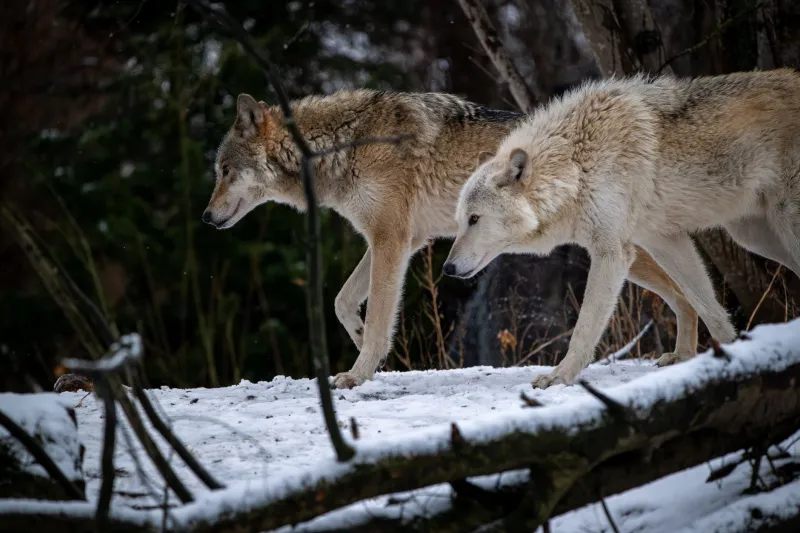
Here's the structure wildlife researchers actually observe: a mated pair of wolves—the parents—traveling with their offspring from multiple seasons. The 'alpha' and 'beta' labels dissolve almost immediately when you view the pack this way. The leading pair isn't dominant because they fought their way to the top. They lead because they're mom and dad. The younger wolves defer not out of fear, but out of the natural dynamic of growing up in a family unit.
Competition for dominance is largely an artifact of captivity—wolves crammed together who aren't related, forced to sort out a social order from scratch. Take those same animals, put them in the wild with their actual kin, and the whole aggressive hierarchy thing mostly evaporates.
What replaces it? Cooperation. Role flexibility. Shared investment in the group's survival. Parents teach hunting strategies. Older siblings help raise younger pups. Scouts communicate danger back to the group. The pack functions less like a military chain of command and more like a really effective small business where everyone knows their job and trusts each other to do it.
Why We Fell for It
Honestly? The alpha myth was convenient. It gave people a clean, simple model for understanding power—and more importantly, for justifying it. If nature itself is a dominance contest, then whoever claws their way to the top deserves to be there. The wolf became a mirror for the kind of leadership culture a lot of workplaces were already practicing.
But that framing does real damage. Teams built around alpha-style leadership tend to be brittle. Information gets hoarded. People are afraid to flag problems. The person at the top makes decisions in a vacuum while everyone else waits to be told what to do. Sound familiar? It's the organizational equivalent of a captive wolf enclosure—artificial hierarchy producing artificial behavior.
Pack Dynamics That Actually Work
So what does the real wolf pack model suggest for human teams and communities? A few things stand out.
Context determines leadership. In a wild pack, different animals take point in different situations. The most experienced hunter leads the chase. The most alert wolf responds first to a threat. Leadership isn't a permanent title—it's a function that shifts based on who has the most relevant knowledge in a given moment. Forward-thinking organizations are starting to build this way deliberately, creating structures where expertise drives decision-making rather than org chart position.
Trust is the actual foundation. Wolf packs invest enormous energy in social bonding—play, grooming, coordinated howling. This isn't fluff. It's infrastructure. The bonds built during low-stakes moments are what allow the pack to function seamlessly under pressure. Human teams that skip the relationship-building step in favor of pure productivity often find out the hard way that trust is load-bearing.
The group's survival depends on contribution, not competition. Wolves don't waste energy fighting each other when there's prey to catch and pups to raise. Internal competition is a luxury that wild packs can't afford. Many high-performing human teams operate the same way—the shared mission is so clear and compelling that jockeying for internal status feels beside the point.
Rethinking Power in Your Own Pack
This isn't just an abstract leadership theory exercise. It's worth asking directly: what kind of pack are you building, or living inside of?
If your team or community runs on fear, on a single dominant personality calling all the shots, on people performing loyalty rather than actually giving it—that's the captive wolf model. It might produce short-term results, but it's fragile. It burns people out. It drives away the most capable members, who have options and will use them.
The wild pack model is harder to build because it requires genuine trust, real communication, and leaders who are secure enough to let expertise flow from wherever it actually lives in the group. But the payoff is a structure that can actually weather hard seasons—one where every member is invested because every member matters.
Mech eventually managed to get his original book pulled from print. He wanted the record corrected that badly. The alpha wolf, he insisted, was a ghost—a story we told ourselves that never reflected reality.
Maybe it's time we hunted something truer.