Raid the Wilderness: How Smart Creative Packs Hunt Ideas Everywhere But Their Own Backyard
There's a version of creativity that looks really noble from a distance. The lone genius, hunched over a desk, conjuring something from nothing. Pure. Untouched by outside influence. Original in the truest sense of the word.
That version is mostly a myth.
The packs that consistently produce killer work — the design studios, the game dev crews, the music collectives, the writing rooms that keep churning out stuff people actually care about — they don't wait for inspiration to fall from the sky. They go out and take it. From everywhere. From disciplines that have nothing to do with theirs. From nature docs and architecture blogs and the way a particular restaurant arranges its menu. They hunt wide, drag it back to the den, and make it their own.
That's not stealing. That's how creative ecology actually works.
Why Wolves Don't Eat the Same Thing Every Season
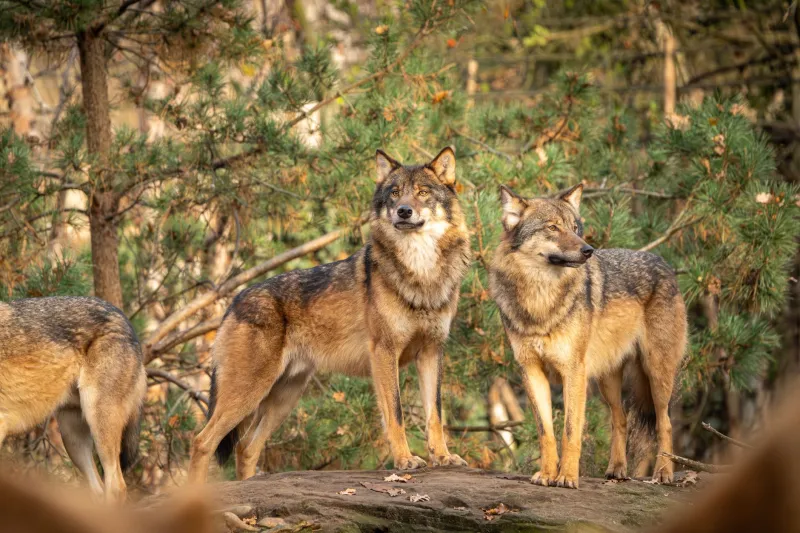
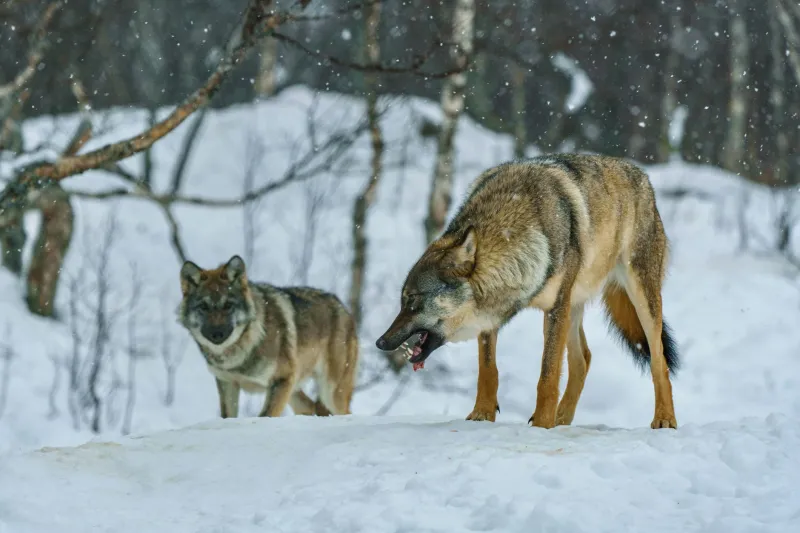
Actual wolf packs are opportunistic hunters. Yeah, they've got preferred prey — elk, deer, the usual — but when conditions change, they adapt. They'll take smaller game. They'll scavenge. They'll go after something they've never chased before if it means the pack eats tonight.
Creative teams that lock themselves into one diet of inspiration get brittle the same way a predator that only knows one prey species gets brittle. When that well dries up — when the genre shifts, when the trend dies, when the market moves — they've got nothing to fall back on.
The packs with longevity? They've always got a second hunt going. They're watching what's happening in fields adjacent to theirs, pulling threads from places that look completely unrelated, and asking the only question that matters: what does this teach us about our work?
The Cross-Discipline Hunt: Where to Actually Look
Here's the thing about hunting ideas outside your territory — you can't just wander randomly and hope something jumps out at you. Good packs move with intention. They've got a mental map of where the rich feeding grounds are.
Some of the most productive cross-discipline territories for US creative teams right now:
Architecture and spatial design. The way a building controls movement, creates tension, and releases it into open space? That's narrative structure. Game designers have been borrowing from architects for decades. Writers should be doing it more.
Sports analytics and coaching philosophy. The NBA's shift to data-driven decision-making in the early 2000s rewrote how the whole league thought about value. Any creative team building a body of work can steal that framework — figure out which metrics actually matter, ignore the vanity stats, optimize ruthlessly.
Nature documentaries. Specifically the pacing. Watch how a well-made nature doc builds dread before a hunt, then releases it. That rhythm shows up in the best thrillers, the best ad campaigns, the best pitch decks. It's not accidental.
Music production techniques. Sampling culture in hip-hop didn't just create a genre — it created a philosophy. Take something old, strip it down, find the part that still vibrates, rebuild around it. That's applicable to literally any creative discipline.
Regional American food culture. This one sounds weird until you sit with it. The way Tex-Mex developed — two food traditions colliding in a specific geography and producing something neither culture would have made alone — is a perfect model for what happens when creative packs deliberately smash influences together.
The Ethical Framework: Borrow Like a Wolf, Not a Vulture
There's a line here worth drawing clearly, because some people get nervous when you start talking about "taking" ideas.
Borrowing inspiration is not the same as copying execution. A wolf that watches how a coyote flushes prey out of tall grass and then uses that technique on its own hunt isn't stealing the coyote's dinner. It's learning a method and applying it in a new context.
The ethical version of idea-hunting has a few rules that most serious creative packs follow, even if they've never written them down:
Credit the source internally, even when you don't externally. Your team should always know where an idea came from. It keeps the intellectual honesty intact and makes the remixing process more intentional.
Transform, don't transplant. If someone can look at your work and immediately identify the exact thing you lifted without any transformation, you didn't borrow — you copied. The goal is digestion, not regurgitation.
Hunt in proportion. One major outside influence per project, blended with your pack's existing voice and several other smaller influences, produces something new. Fifteen undigested influences produce chaos.
Give back to the territory. The best creative ecosystems are ones where packs share what they've learned. If you figured out that a technique from industrial product design translates beautifully into UX writing, say so. Put it out there. The whole territory gets richer.
Building the Habit: Making Cross-Discipline Hunting a Pack Ritual
This doesn't happen by accident. The packs that do it well have built it into how they operate — not as a one-time exercise, but as a regular part of how the crew moves through the world.
A few practical structures that actually stick:
The weekly drop. Designate a channel, a thread, a meeting slot — whatever fits your pack's workflow — where every member drops one thing they encountered that week from outside your field. No explanation required at first. Just the thing. Let the pack react.
The remix sprint. Once a month, pick one outside idea from your collective pool and give the team 48 hours to produce something — anything — that applies it to your actual work. The output doesn't have to be good. The exercise is the point.
The field trip. Literal or virtual. Visit a museum, attend a talk outside your industry, watch a documentary about something none of you know anything about. Do it together. The shared experience generates conversation that solo consumption never does.
The provenance doc. For every major project, keep a living document that tracks where key ideas came from. Not for credit purposes — for your own pack's learning. Over time, you'll start to see patterns in where your best fuel comes from.
The Pack That Eats Wide Wins
There's a certain kind of creative team that prides itself on purity. On developing everything from within. On never looking outside the walls of their particular discipline for inspiration. Sometimes this produces work with a very specific, very consistent voice.
But it also produces work that eventually runs out of road.
The packs built for the long haul — the ones that stay relevant across years and market shifts and trend cycles — are the ones that never stopped expanding their hunting grounds. They stay curious about things that don't obviously apply to them. They stay willing to look stupid asking questions in unfamiliar territory. They stay humble enough to admit that a documentary filmmaker or a jazz musician or a landscape architect might have figured out something about their craft that a decade of working inside their own discipline never taught them.
Raid the wilderness. Bring it back to the den. Make it yours.
That's not a shortcut. That's the whole hunt.