Quiet Fangs: How a Pack Starts Dying When Everyone Stops Talking
Quiet Fangs: How a Pack Dying When Everyone Stops Talking
There's a particular kind of quiet that settles over a creative team right before it falls apart. Not the comfortable silence of a group deep in focused work. Not the peaceful pause between a big project wrapping and the next one kicking off. This is a different kind of stillness — the kind where everyone's still showing up, still technically doing the job, but something fundamental has curdled underneath.
The ideas stop flowing across the table. The Slack threads go one-directional. Someone presents a concept in a meeting and instead of building on it, the room just... nods. And then, almost imperceptibly, people start keeping their best stuff to themselves.
That's the silent kill. And it doesn't announce itself.
The Hunt Turns Inward
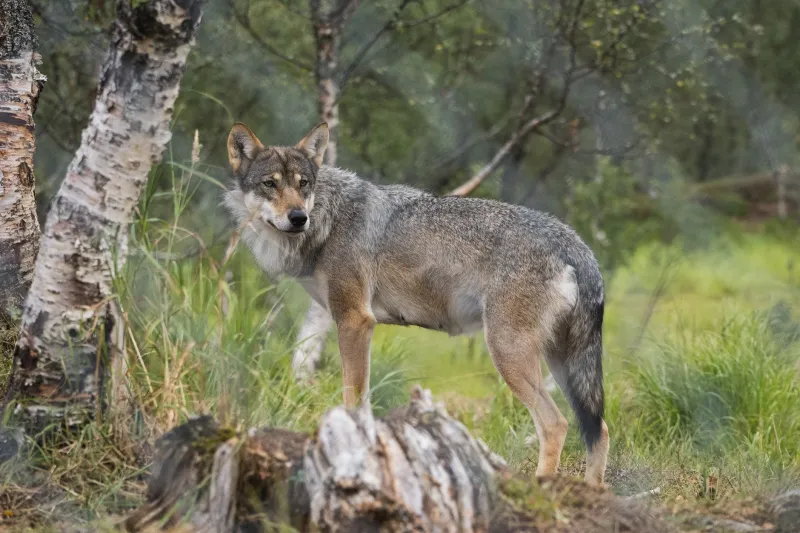
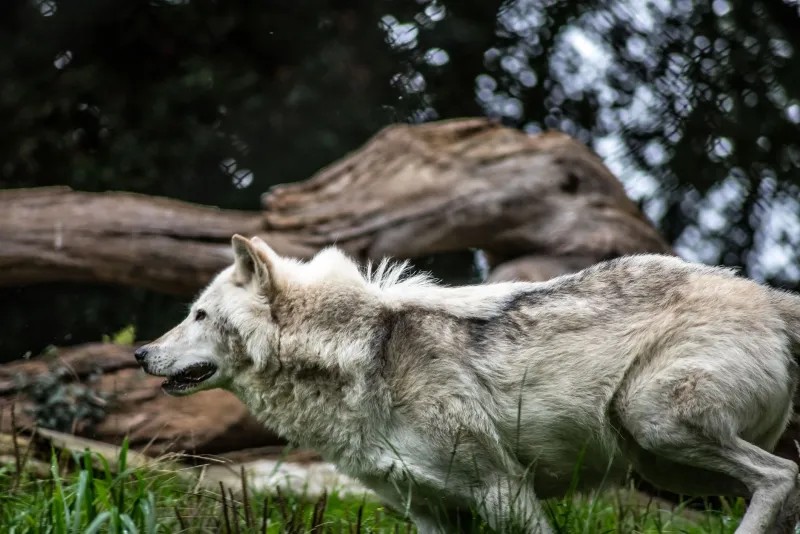
Wolves are cooperative hunters by design. Their whole evolutionary edge is built around shared effort — flanking, signaling, coordinating — because no single wolf can consistently bring down elk alone. The pack's strength is its communication. When that breaks down, wolves don't just hunt less effectively. They start to compete for scraps.
Creative teams work exactly the same way. When the feedback loops close off and the open exchange of ideas dries up, something almost territorial kicks in. People stop contributing to the group's momentum and start protecting their own. The shift is rarely conscious. Nobody wakes up and decides to hoard their best thinking. It just happens, gradually, as trust erodes and the invisible scoreboard starts mattering more than the shared mission.
The problem is that by the time most teams notice it, the damage is already deep.
What the Warning Signs Actually Look Like
Forget the obvious stuff — yelling, walkouts, direct conflict. Those are almost easier to deal with because at least they're visible. The early signals of a pack turning on itself are far quieter and, honestly, easier to rationalize away.
Meetings start running shorter. Not because the team is getting more efficient. Because fewer people are riffing, challenging, or building. The conversation compresses into status updates and logistics.
Feedback gets vague or disappears entirely. "Looks good" becomes the most common response to shared work. Nobody wants to invest in improving something they didn't originate, and nobody wants to expose their own thinking to scrutiny.
Small wins stop getting celebrated collectively. When someone lands something great, it's noted quietly rather than amplified. There's a subtle sting to other people's success that didn't used to be there.
Parallel work starts cropping up. Two people are solving the same problem independently and neither one mentioned it to the other. That's not a workflow issue. That's a trust issue.
The group chat goes quiet or purely functional. The random shares, the weird ideas, the half-formed thoughts that used to bounce around — gone. Everyone's using the channel to coordinate logistics and nothing more.
Any one of these in isolation might just be a rough week. All of them together? That's a pack fracturing in slow motion.
Why It Happens (And It's Not Always Someone's Fault)
Here's the uncomfortable truth: silent competition usually doesn't start with bad intentions. It starts with unaddressed pressure.
Maybe leadership started recognizing individual contributions more than team wins. Maybe a round of layoffs made everyone quietly aware that visibility equals job security. Maybe the project pipeline got so packed that there's no time for the loose, exploratory conversations that used to keep the creative culture alive. Maybe someone's idea got taken and credited elsewhere, and they never said anything about it, but they remembered.
Structures create behavior. When the environment rewards individual performance over collective output — even subtly, even unintentionally — people adapt. They start playing a different game than the one they signed up for. And because nobody explicitly changed the rules, nobody feels like they can call it out.
This is why it's so insidious. There's no villain. There's no dramatic moment to point to. Just a slow, mutual withdrawal that each person experiences as self-preservation.
Restoring the Howl
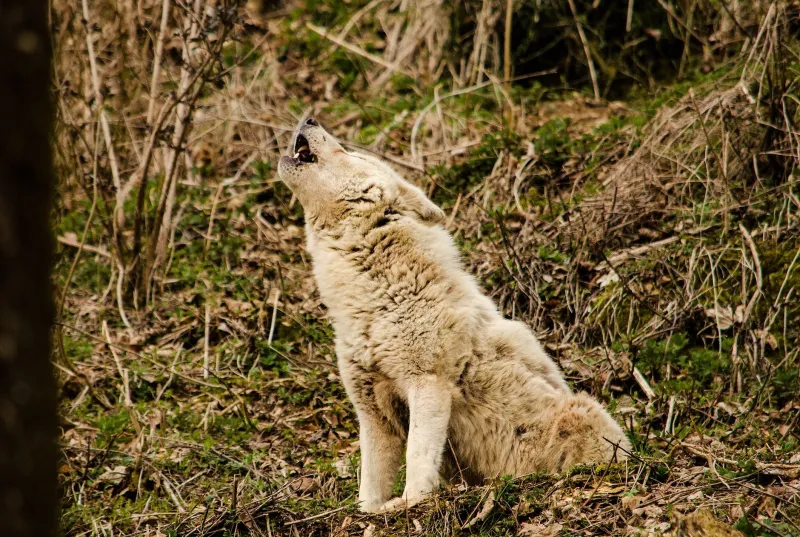
The good news is that a pack that's gone quiet can find its voice again. But it takes deliberate effort and, more than anything, it takes someone willing to go first.
Name the dynamic without assigning blame. Bring the team together and acknowledge that communication has thinned out. Not as an accusation — as an observation. "We've gotten quieter with each other and I think we're all feeling it. Let's talk about why." That kind of directness is disarming because it doesn't put anyone on the defensive.
Rebuild the feedback ritual. Structured critique sessions — not performance reviews, but genuine creative critique — create a safe container for vulnerability. When everyone is in the position of sharing unfinished work and receiving honest input, the playing field levels. It normalizes imperfection and dependency on others.
Celebrate the assist, not just the goal. Actively recognize the moments when one person's input made another person's work better. Publicly. Repeatedly. You're literally rewiring the team's sense of what success looks like.
Create low-stakes spaces for half-baked ideas. A weekly no-agenda huddle, a dedicated channel for rough concepts, a standing lunch where work talk is allowed but pitching is banned — whatever fits your culture. The point is to build a place where people can think out loud without it counting for anything. That's where trust gets rebuilt.
Audit your incentive structures. If your team's environment is genuinely rewarding individual visibility over collective wins, the communication problem won't go away just by talking about it. You have to change what gets rewarded.
The Pack That Hunts Together
Here's what wolves know that we sometimes forget: the hunt is the point. Not the trophy. Not the individual glory. The coordinated, communicative, shared pursuit of something bigger than any one animal could take down alone.
When a creative team is firing on all cylinders — really communicating, really building on each other's ideas, really trusting that vulnerability won't get used against them — it produces work that none of its members could generate in isolation. That's the whole value proposition of working in a pack.
But that only happens when the howls keep going back and forth. When the silence is broken before it calcifies into competition.
The quietest rooms aren't always the most peaceful ones. Sometimes they're the most dangerous. Learn to tell the difference — and when you feel that particular stillness settling in, be the one who breaks it.
Your pack is worth the noise.