You're Not a Lone Wolf. You're Just Lost.
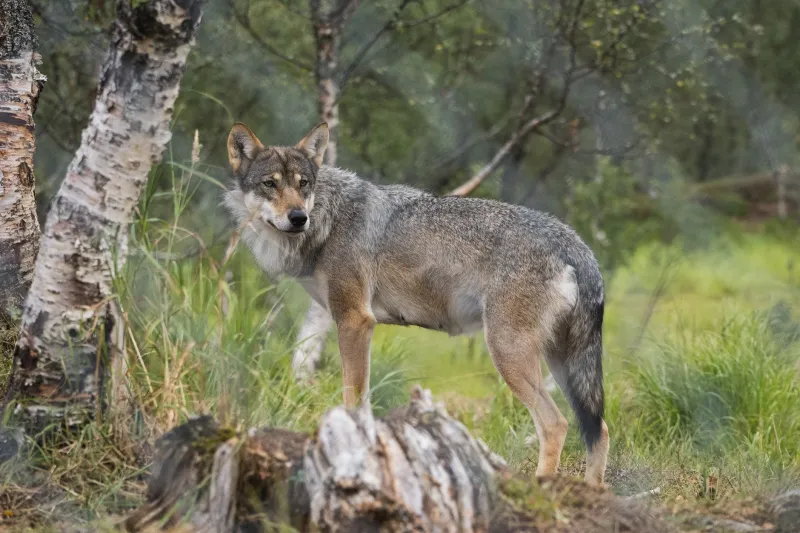
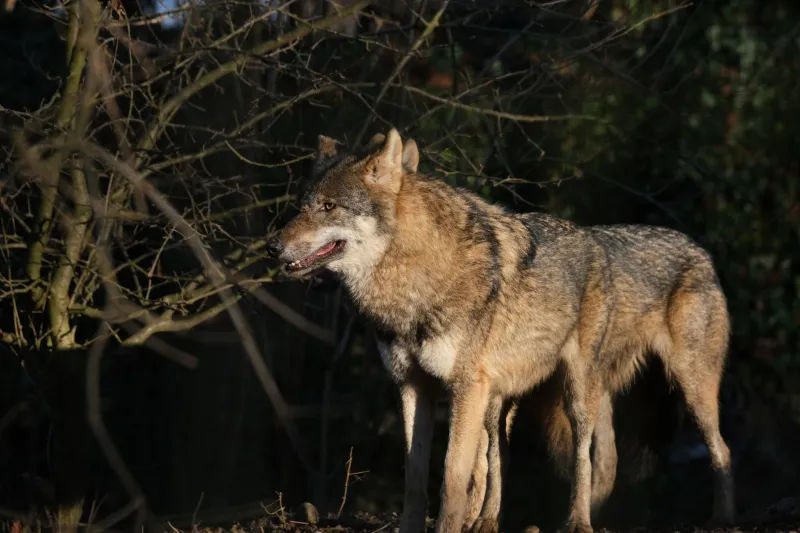
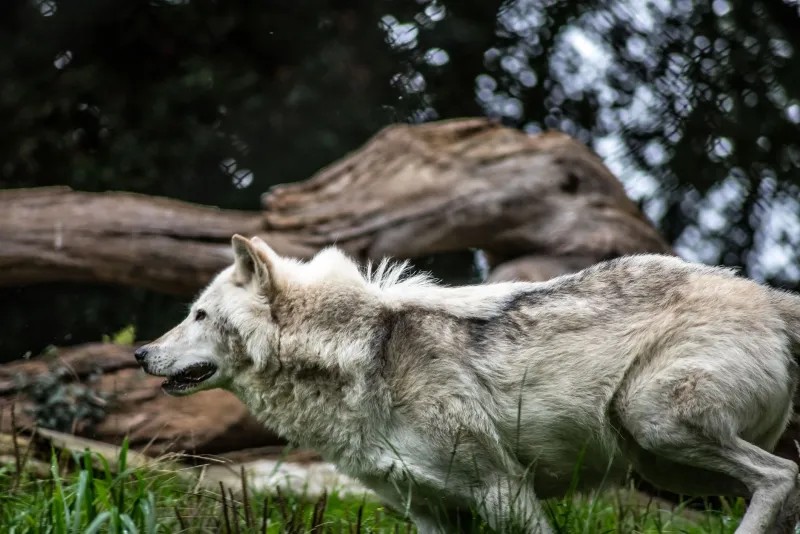
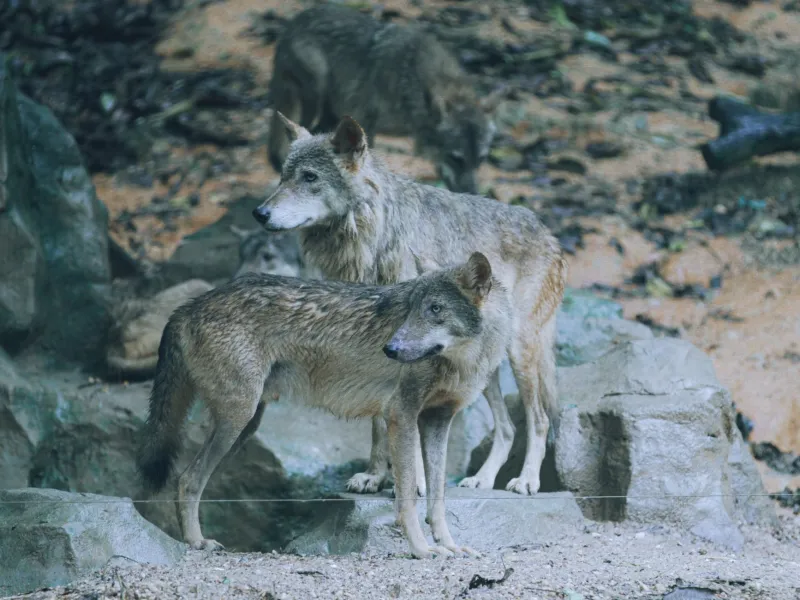
Here's a thing nobody tells you when you're grinding alone at 2 a.m., convinced that your isolation is actually your superpower: real wolves don't go lone by choice. A wolf that leaves the pack isn't some enlightened wanderer who figured out the secret. It's a wolf that got pushed out, or lost, or is desperately trying to find somewhere new to belong. Lone wolves in the wild have dramatically shorter lifespans. They're not thriving. They're surviving — barely — until they can find another pack.
So maybe pump the brakes on the romanticized version of that story you've been telling yourself.
The Myth That's Eating Your Best Work
American individualism is genuinely one of the most powerful cultural narratives on the planet. Pull yourself up by your bootstraps. Blaze your own trail. Don't let anyone dilute your vision. We've been marinating in this stuff since birth — through every underdog sports movie, every rags-to-riches biography, every 'I built this from nothing' podcast interview.
And for creative professionals specifically, that myth gets extra seasoning. There's this deeply embedded idea that needing other people is somehow a contamination of your authentic voice. That real artists suffer alone. That the truest work comes from one solitary genius locked in a room, channeling something no committee could ever produce.
It's a beautiful story. It's also largely fiction.
Think about the creative work you actually love. The Coen Brothers. Lennon and McCartney. The writers' rooms behind your favorite prestige TV. The open-source communities that built the software you're using right now to make your 'solo' work. Scratch almost any creative legend and you find a web of collaboration, mentorship, argument, and mutual influence that the myth conveniently erases from the final narrative.
What Your Brain Actually Needs
Neuroscience isn't subtle about this. Humans are social mammals. Full stop. Our nervous systems evolved in group contexts — we literally regulate each other's stress responses through co-presence. When you're isolated, your threat detection system runs hotter. Your brain interprets sustained social disconnection as danger, because for most of human history, that's exactly what it was.
Chronically isolated people show elevated cortisol, disrupted sleep, and impaired executive function. That last one matters a lot if you're trying to do creative work, because executive function is what lets you hold multiple ideas in tension, make unexpected connections, and push through the frustrating middle part of any project. Isolation doesn't sharpen that. It dulls it.
There's also the feedback loop problem. Creative work needs friction to improve. Not the destructive kind — the kind that comes from someone who cares about what you're making and also isn't afraid to tell you when something isn't landing. Without that, you end up in an echo chamber of one, where your blind spots never get named and your bad ideas never get challenged.
If you've ever finished a solo project, released it into the world, and been genuinely confused by the reaction — either better or worse than you expected — that's the feedback loop failure making itself known.
Why Vulnerability Feels Like a Threat
Here's where it gets uncomfortable. Admitting you need a pack isn't just a practical adjustment. For a lot of solo creators, it feels like a fundamental identity threat. If your whole self-concept is built around being the person who doesn't need anyone, then reaching out for collaboration or support isn't just awkward — it feels like annihilation.
This is especially true in creative communities where there's a lot of status wrapped up in being self-sufficient. Asking for help can feel like announcing weakness. Admitting you're stuck can feel like confirming every doubt you've ever had about whether you belong in this work at all.
So people stay isolated. They keep grinding alone. They tell themselves the loneliness is actually discipline. And slowly, without really noticing it, the work gets smaller. More defensive. Less alive.
The irony is that the vulnerability you're most afraid to show — I don't have this figured out, I need other minds on this, I'm lost in the woods right now — is precisely the thing that unlocks the collaborative trust that makes breakthrough work possible. You can't build a real pack while pretending you don't need one.
What Finding Your Pack Actually Looks Like
It doesn't have to be dramatic. Nobody's asking you to completely rewire your personality or suddenly become someone who thrives in big group settings if that's genuinely not you. Pack dynamics aren't one-size-fits-all, and smaller, tighter configurations are often the most functional anyway.
But it does mean getting honest about a few things.
First, map your actual creative ecosystem. Who are the two or three people whose feedback genuinely improves your work? Who do you call when you're stuck — not for validation, but for real perspective? If you're drawing a blank, that's your starting point, not a sign that you're too unique to need anyone.
Second, stop treating collaboration like a compromise. The 'too many cooks' anxiety is real, but it's usually a symptom of bad collaboration structures, not evidence that collaboration itself is the problem. A well-functioning creative pack doesn't flatten everyone into a committee. It amplifies what each person does best.
Third, let yourself be a beginner in someone else's territory. One of the fastest ways to break out of creative isolation is to genuinely engage with a community where you're not the expert. Take a class. Join a critique group. Show up to the local writers' meetup or the Discord server for the game you've been lurking in for six months. Being new somewhere is uncomfortable, but it's also metabolically different from isolation — your brain is actually engaged in a way it can't be when you're alone with familiar problems.
The Hunt Doesn't Work Without the Pack
Wolves don't take down elk alone. It's not that they lack ambition — it's that the physics don't work. The animal is too big, too fast, too dangerous for a single predator operating without coordination. The hunt requires distributed roles, shared intelligence, and a level of trust that only develops through sustained proximity.
Your most ambitious creative work is probably an elk. You can exhaust yourself chasing it solo for years, landing glancing blows and walking away with nothing. Or you can find the pack that makes the whole thing possible.
The lone wolf story is seductive. It's also keeping you from the work you're actually capable of.
Time to stop being lost and start running with someone.