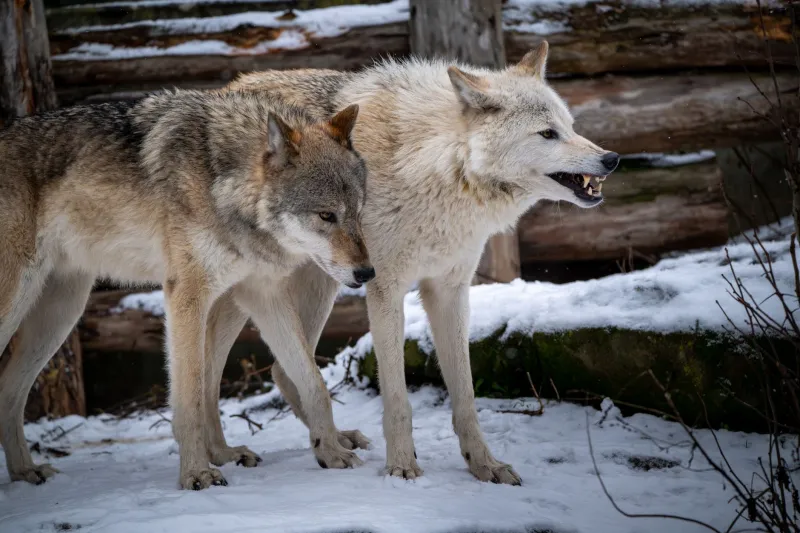
The Language No One Taught You: How Strong Creative Packs Communicate Without Words
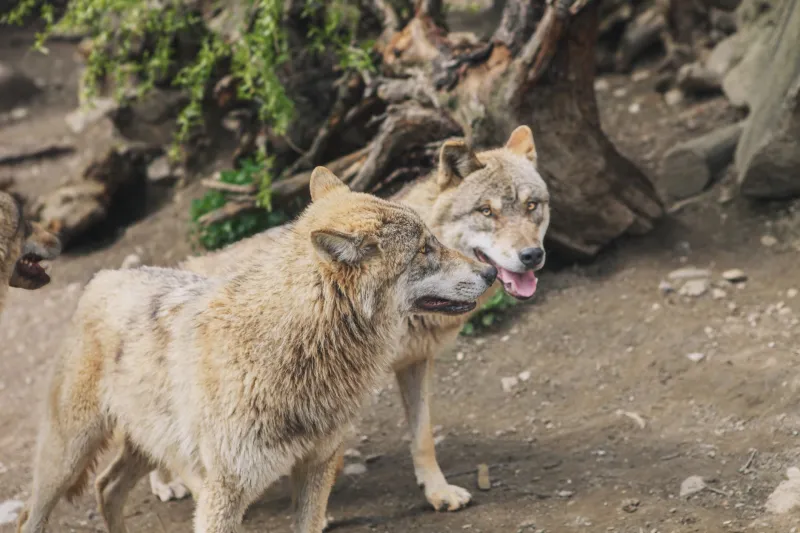
There's a moment in every well-run creative pack when something clicks that you can't quite explain to an outsider. A single raised eyebrow across the conference table. A specific GIF dropped into Slack at exactly the right second. Someone muttering a three-word phrase that sends the whole group into knowing laughter while a new hire sits there blinking. It looks like chaos. It functions like clockwork.
In the wild, wolves don't just howl at each other to stay connected. They leave scent markers — invisible to us, but rich with information for the pack. Who was here. When. What kind of mood they were in. Whether the territory is safe. Creative teams build the same kind of infrastructure, entirely by accident, and the packs that understand what they've built are the ones that outlast everyone else.
What Scent Markers Actually Look Like in a Creative Team
Let's get specific, because this isn't abstract. Think about the recurring phrases your team uses that would make zero sense to anyone else. The project nickname that stuck. The shared horror story from that one disastrous client pitch that gets referenced every time something feels like it's going sideways. These aren't just funny moments — they're data points. They're your pack encoding experience into shorthand.
Psychologists sometimes call this "transactive memory" — the idea that a group, over time, develops a shared mental map of who knows what, who handles what, and how things usually go. But it goes deeper than task assignment. The inside jokes and micro-rituals carry emotional memory too. When someone drops that reference from the 2 a.m. deadline sprint two years ago, they're not just being nostalgic. They're signaling: I was there. You were there. We survived that. We can survive this.
That's a trust deposit, made in under three seconds, with zero formal effort.
Why New Pack Members Can Actually Feel It
Here's the wild part. You don't have to explain any of this to someone new for them to sense it. When a new person joins a creative team that has strong invisible bonds, they feel it immediately — even if they can't name it. There's a warmth. A rhythm. A sense that people here have history. Conversely, when a team lacks these markers, new members feel it too. The interactions are technically polite but somehow hollow. Nobody's riffing. Nobody's finishing sentences. The work gets done, but there's no pulse.
Onboarding a new wolf into a pack with strong scent markers actually accelerates their integration. They don't just learn the tools and the workflow — they start picking up the dialect. They notice what makes people laugh, what phrases carry weight, which rituals are sacred. If your pack is healthy, a new member will start contributing their own small markers within a few months. That's when you know they've really arrived.
The Friction-Reduction Effect
Here's where this gets practical for anyone managing a creative team. High-stakes projects — the ones with brutal deadlines, complicated clients, or creative directions that keep shifting — are where packs either hold together or fracture. And the packs that hold together almost always have a dense web of invisible signals working underneath the surface.
When trust is already encoded in shorthand, you don't need to have a 45-minute check-in to know your designer is struggling with a direction. You catch it in a single word they used in Slack. When your lead writer is about to go off-brand, your creative director doesn't need a formal review process — they feel the drift before it becomes a problem, because they've been reading this person's signals for two years.
These micro-communications reduce friction in ways that no project management software can replicate. They're the difference between a team that catches problems early and a team that discovers them in the final hour.
Rituals Are Infrastructure, Not Fluff
A lot of people, especially in startup and agency culture, treat team rituals as soft extras — the fun stuff you do when you have time, which is never. That's a mistake. Rituals are how scent markers get refreshed and reinforced. The standing Friday wrap-up where everyone shares one win and one disaster. The tradition of naming every project after an obscure 80s movie. The rule that whoever breaks the build buys coffee. These aren't perks. They're maintenance.
Wolves re-mark their territory constantly. Not because they forgot where it was, but because the marks need to stay fresh to carry meaning. Your pack's rituals do the same thing. They say: we still exist, we still agree on how we operate, and we still trust each other enough to show up here and do this together.
If your team has let rituals slide — and most teams eventually do, especially after a round of growth or turnover — consider what you've actually lost. You haven't just lost the fun. You've lost a layer of invisible infrastructure that was doing serious structural work.
Building Markers Intentionally Without Making It Weird
You can't force an inside joke. Attempting to engineer organic bonding moments is how you end up with mandatory fun and a team that's somehow more disconnected than before. But you can create conditions where markers develop naturally.
Give your pack space to debrief after projects — not just technically, but emotionally. Let the war stories get told. Celebrate the weird failures alongside the wins. Keep a shared channel or document where running gags and team lore can accumulate. Don't shut down the tangents in meetings that seem off-topic; sometimes that's exactly where the next shared reference is born.
Most importantly, notice what's already there. Your pack is probably already building this language and you just haven't named it. Pay attention to what phrases keep coming back. What moments get referenced. What small gestures carry meaning. That's your invisible infrastructure. Honor it. Protect it. Let it grow.
Because when the hard hunts come — and they always come — that's what's going to hold you together when nothing else will.