Dead Hunts Don't Waste: What Failed Projects Are Actually Worth to Your Pack
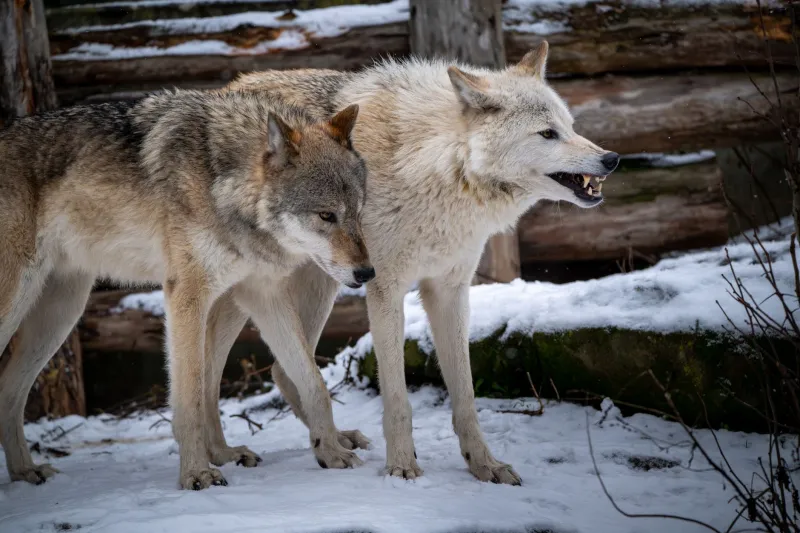
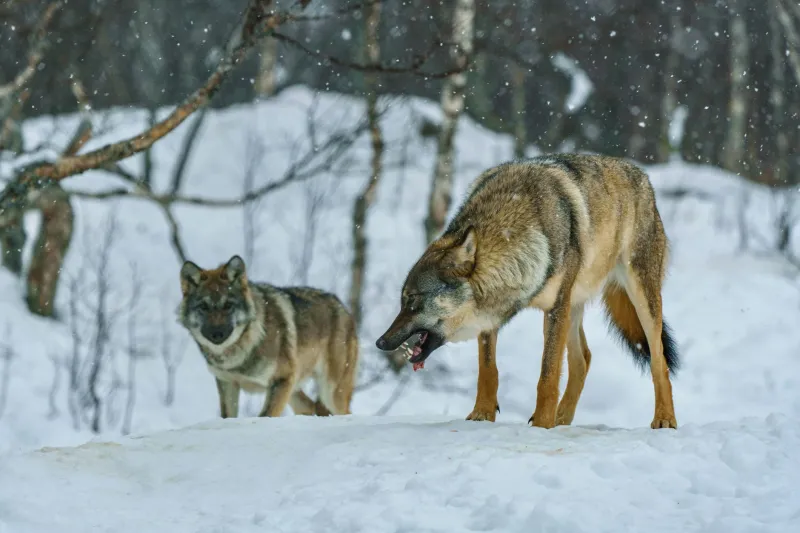
Out in the wild, a wolf pack that comes up empty doesn't sulk back to the den and pretend the hunt never happened. They remember. They track where the prey moved, which route failed, which member broke formation too early. That failure becomes data. It becomes instinct. And next time out, the pack hunts smarter because of it.
Your creative team should be doing the exact same thing.
There's a weird stigma in American creative culture around failure. We love the comeback story once it's already over, but in the moment? Failed projects get buried fast. The pitch deck that bombed gets archived. The campaign that flopped gets quietly deleted from the portfolio. The half-built game mechanic that nobody could figure out gets zipped into a folder no one opens again. We treat creative failure like a carcass we're embarrassed to be seen near.
That's a massive waste. And packs that operate this way are leaving serious meat on the bone.
The Archive Is a Hunting Ground
Here's a truth that experienced creative teams eventually stumble onto: your most useful raw material isn't the blank page. It's the pile of everything you already tried.
Think about what lives inside a failed project. There's research that someone spent real hours gathering. There's a structural idea that almost worked. There's a visual direction that the client hated but that three people on the team actually loved. There's a sentence, a mechanic, a character, a hook — something in there that had a pulse even when the whole project didn't.
When a hunt fails, the carcass still feeds the pack. The bones get cracked. Nothing goes to waste if you're paying attention.
The most agile creative teams treat their own archives the same way. Before starting something new, they raid what they already built. Not to copy it — to strip it for parts. That abandoned brand concept from two years ago? The color logic in it might be exactly what this new project needs. That short story that never landed an ending? Maybe the opening three paragraphs are the best thing your team ever wrote, and they deserve a second life in something that actually fits them.
Why Starting Fresh Is Overrated
We romanticize the blank slate. There's something seductive about the idea of a clean start — no baggage, no compromises, just pure creative potential stretching out in every direction. But that romance is mostly a lie we tell ourselves.
Starting completely fresh is expensive. It costs time, energy, and the kind of creative bandwidth that every team has in limited supply. You're rebuilding context from scratch, re-learning lessons you already paid for, and reinventing solutions to problems your pack already solved once — just badly, or for the wrong project.
Scavengers understand something that apex hunters sometimes miss: the energy cost of a fresh kill is enormous. Finding something already down, something already worked on, and extracting the value that's still there? That's efficiency. That's not laziness. That's survival math.
Pixar is famous for this. Early versions of their films often look nothing like the finished product — whole characters get cut, entire storylines get abandoned. But those abandoned threads don't disappear. They get composted into the next draft, the next project, the next film. The studio has a culture of treating creative failure as feedstock rather than garbage. It's a big reason they've been able to sustain output at a level most studios can't touch.
Your pack doesn't have to be Pixar to operate with that same logic.
How to Actually Do This Without It Getting Weird
Okay, so how does a creative team actually build a practice around mining their own failures — without it turning into a weird obsession with the past or a way to avoid doing new work?
A few things that actually work:
Hold a dead hunt debrief. When a project dies — whether it's killed by the client, killed by the team, or just quietly runs out of steam — gather the pack and spend thirty minutes pulling out what was worth keeping. Not to relitigate what went wrong, but to tag the salvageable pieces before they get buried. Assign someone to actually log these somewhere accessible.
Build a scavenger's shelf. Call it whatever you want internally, but designate a shared space — a Notion page, a folder, a physical wall if you work in person — where salvaged ideas live. Not a graveyard. A pantry. Things in a graveyard are dead. Things in a pantry are waiting to be used.
Mine other packs' failures too. This is underutilized. Industries talk about best practices constantly but rarely talk about failed experiments with the same openness. When other teams share post-mortems, when companies publish case studies on what didn't work, when a competitor quietly shelves a product direction — that's intelligence. Read it. Learn from it. The wilderness is full of prey that someone else already spooked. Sometimes you can pick up the trail.
Revisit the archive at the start of new projects. Make it a ritual. Before the kickoff meeting on anything new, someone on the team does a ten-minute sweep of relevant old work. Not to anchor the new project to the past, but to make sure you're not starting from zero when you could be starting from forty.
The Psychology of the Second Bite
There's a mental shift required here that's worth naming directly. Most creative people feel something close to shame around their failed work. Looking back at it feels like dwelling on loss. But the packs that hunt hardest are the ones that don't personalize failure — they analyze it.
A wolf doesn't feel humiliated when prey escapes. It adjusts. It files away what happened and moves with that new information the next time. That's not a lack of ego. That's a functional ego — one that's oriented toward the hunt rather than toward self-image.
When your team can look at a failed project and feel curiosity instead of embarrassment, something opens up. You start seeing the thing for what it actually is: a pile of effort that contains real value, waiting for someone smart enough to extract it.
That's the scavenger's advantage. Not that they're willing to take what others leave behind — it's that they've trained themselves to see value where everyone else sees nothing worth stopping for.
Nothing Dies Clean
Every project your pack has ever abandoned left something behind. A fragment of a good idea. A solved problem. A lesson written in wasted hours. The question isn't whether that material exists — it does. The question is whether your team has built the habits to go back and get it.
The wolves that eat well aren't always the ones who make the cleanest kills. Sometimes they're the ones smart enough to know that the last hunt, even the one that failed, still has something left to give.
Go back to the carcass. There's meat on it yet.