Go Cold: Why Your Creative Pack Needs to Stop Hunting for a While
Let me say something that'll feel wrong at first: your creative pack should stop. Not forever. Not because you failed. Just — stop. Go quiet for a while. Let the territory sit empty. Let the hunger come back.
I know. Every instinct in American work culture is screaming at you right now. We've built an entire mythology around the grind — the team that never sleeps, the studio that ships every quarter, the crew that's always in motion. Momentum is treated like oxygen. Slow down and you suffocate. Take a break and you're falling behind. Rest and you've already lost.
That mythology is killing your pack. And the wolves could have told us so.
How Real Packs Actually Move Through the Year
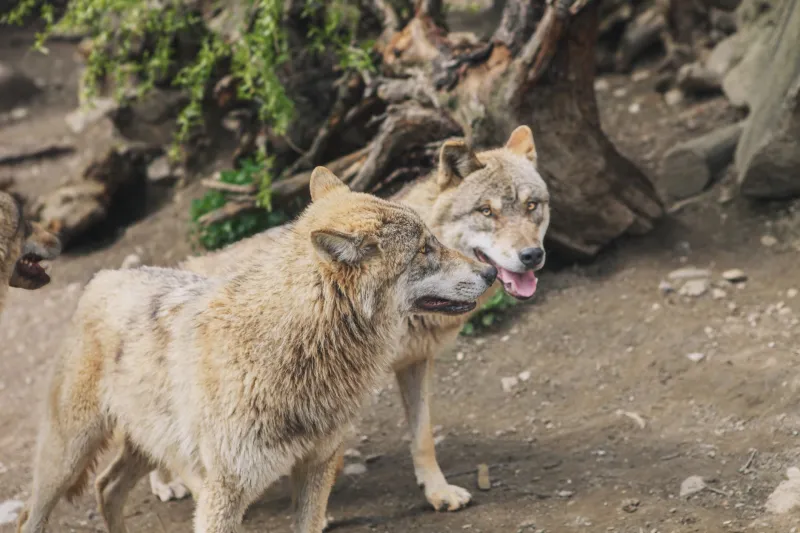
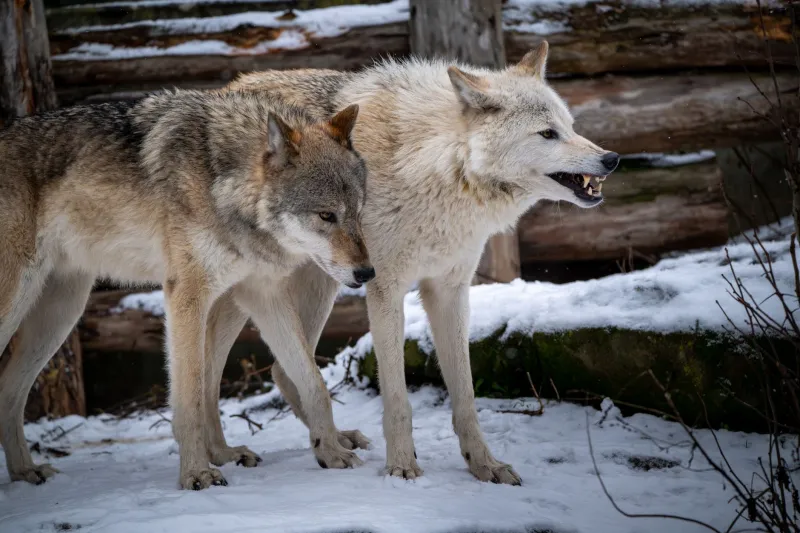
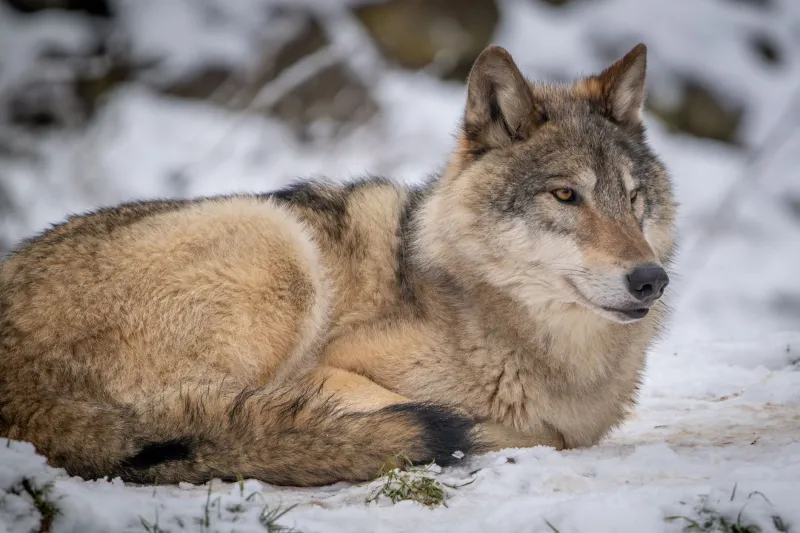
Wolf packs in the wild don't operate at constant intensity. Their behavior shifts dramatically across seasons. In winter, when prey is scarce and travel is brutal, they conserve energy, move strategically, and don't waste effort on hunts they can't win. In spring, when the landscape opens up and prey is abundant and easier to track, they push hard. They read the environment and match their output to what it's actually asking of them.
They're not lazy in winter. They're smart. They're preserving the resources — physical, social, cognitive — that they'll need when the conditions are right to go all in.
Creative teams have seasons too. We just refuse to acknowledge them. Instead, we treat every quarter like peak hunting season, burn through our best people and ideas at the same relentless pace regardless of what the environment is actually asking, and then wonder why the work starts to feel thin and why good collaborators keep walking out the door.
What Burnout Actually Does to Creative Output
Burnout is talked about constantly in creative industries, mostly in the context of individual wellness. Take care of yourself. Set boundaries. Practice self-care. All valid. But here's the angle that doesn't get enough airtime: burnout doesn't just hurt the individual. It degrades the collective intelligence of the pack.
When a creative team is running on empty, the quality of the thinking flattens out. People stop taking risks because risk requires energy they don't have. The weird, unexpected ideas — the ones that come from genuine play and curiosity — dry up. What's left is competent, technically functional work that doesn't surprise anyone, including the people who made it. That's not a creative pack. That's a content factory.
And here's the brutal irony: teams in this state often increase their output to compensate for the declining quality. More meetings, more brainstorms, more deliverables. More running on trails that are already cold. The pack is moving fast and catching nothing.
The Case for Designated Downtime
This isn't an argument for slacking off. It's an argument for intentional dormancy — structured periods where the pack deliberately steps back from active output to do the things that refill the well.
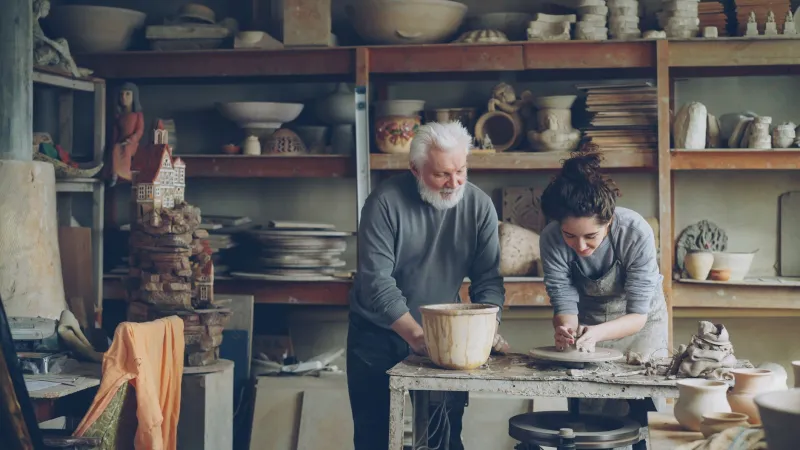
Some of the best creative studios in the country have figured this out. They build in project pauses between major campaigns. They schedule weeks where the team has no deliverables and is explicitly encouraged to consume — read, watch, wander, play games, visit galleries, sit in diners and eavesdrop. They treat this time as part of the production cycle, not a break from it.
The results are documented and consistent: teams that rest between major efforts come back with sharper instincts, stranger ideas, and a genuine appetite for the next challenge. They come back hungry. And hungry packs hunt better. Anyone who's been in a really good creative sprint knows the feeling — that electric early-project energy where everything feels possible and the ideas are coming faster than you can write them down. That energy doesn't come from momentum. It comes from absence. From having been away long enough to miss it.
What Idea Staleness Actually Looks Like
There's another thing that constant motion does to a creative pack, and it's sneakier than burnout: it creates an echo chamber of your own previous work. When you never stop, you never get a chance to look at what you've been doing from the outside. The references you keep returning to calcify. The aesthetic choices that felt fresh two years ago become default settings. The pack starts hunting the same territory over and over, not because it's still rich, but because it's familiar and familiar takes less energy.
Dormant periods break this loop. When you come back to the work after genuine time away, you see it differently. You notice the tics. You get impatient with your own habits in a productive way. You want to try something that scares you a little, because the comfortable thing has gotten boring in your absence.
That discomfort is a gift. Don't waste it by never stopping long enough to feel it.
How to Actually Build Rest Into Your Pack's Rhythm
This requires some real structural commitment, because the default pressure — from clients, from leadership, from the market — is always toward more output faster. Pushing back on that takes intention.
Start by naming your seasons. What are your pack's natural high-output periods? What follows them? Build explicit recovery time into your project calendar rather than treating it as wasted space. Communicate this to stakeholders clearly: after this sprint, we go quiet for two weeks. That's not a gap. That's part of the process.
Protect the quiet. Don't let dormant periods get colonized by administrative work, planning meetings, and low-grade busy-ness that feels like rest but isn't. Real rest means real disengagement. Let your wolves actually go somewhere else for a while — mentally, creatively, physically if possible.
And when the pack comes back together after a dormant period, pay attention to what they bring with them. The references they've picked up. The things that excited them. The problems they've been quietly chewing on. That's your new hunting intel. That's the fresh scent trail.
The packs that last aren't the ones that never stop. They're the ones that know exactly when to go cold — and come back fiercer for it.