Go to Ground: Why Your Creative Pack Needs a Real Winter
Everybody wants to talk about the hunt. The launch, the sprint, the big push, the creative breakthrough at 2 a.m. when the whole pack is locked in and the work is flowing and it feels like nothing could stop you.
Nobody wants to talk about what comes after.
Or what should come after, anyway — which is rest. Real rest. Not the passive, guilty kind where you're technically off the clock but still refreshing email and half-drafting ideas in your Notes app. The kind of dormancy that actually restores something.
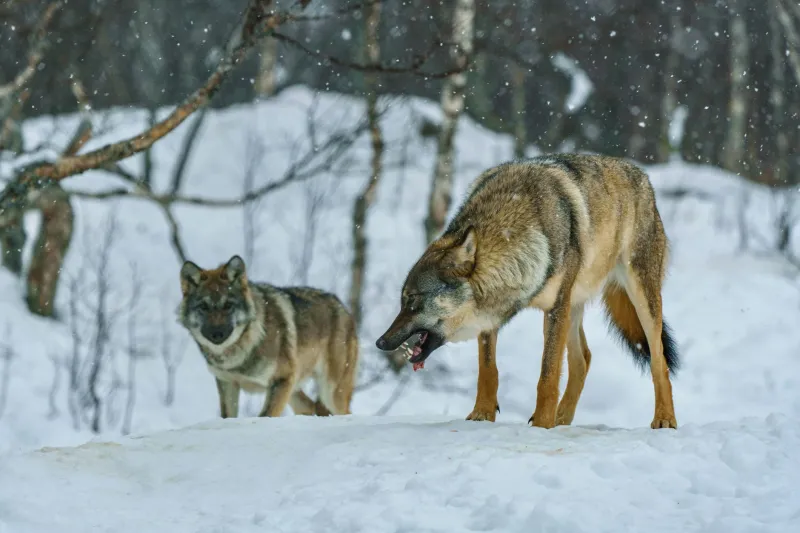
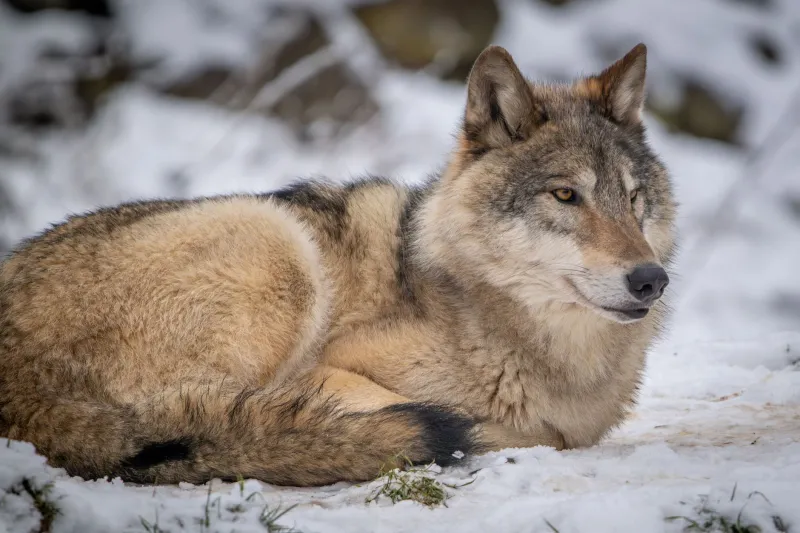
The natural world has never had a problem understanding this. Every ecosystem that sustains itself long-term builds cycles of intense activity and genuine stillness. The wolves run hard in autumn. They go lower-energy in winter. The pack doesn't collapse — it conserves, it recuperates, it prepares. And when spring comes, they're sharper for it.
Most creative packs are trying to be in perpetual autumn. And it's wrecking them.
The Hustle Trap Is a Pack Problem, Not Just a Personal One
Burnout gets treated like an individual failure. You didn't meditate enough. You didn't set boundaries. You didn't practice enough self-care. And sure, personal habits matter. But when a whole creative team is running on fumes, that's not a collection of individual failures — that's a structural problem.
Teams that never build recovery into their rhythm create cultures where rest feels like weakness. Where taking a slower week feels like falling behind. Where the person who logs the most hours becomes the unspoken standard everyone measures themselves against.
The result isn't a pack that hunts better. It's a pack that hunts sloppier, longer, and eventually starts losing members to exhaustion.
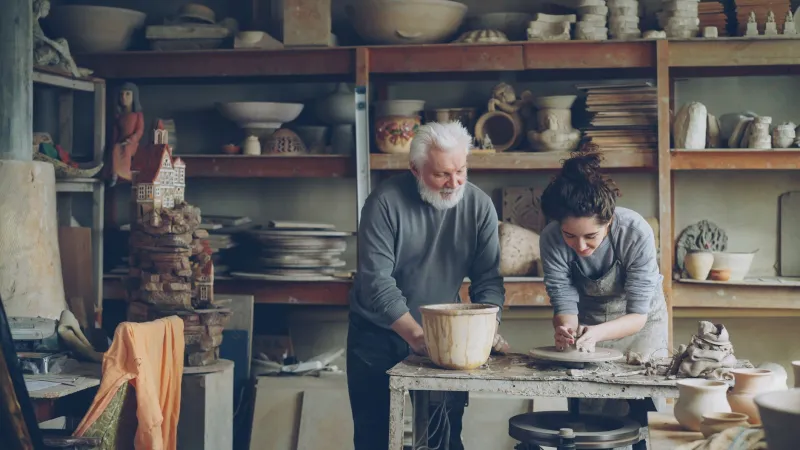
Some of the most respected creative operations in the US have quietly figured this out. Pixar, despite its legendary crunch reputation in the early days, has been vocal about the cost of that model and the deliberate shift toward building recovery time into production cycles. Smaller indie studios have started treating post-launch periods as protected creative winters — no pitching, no planning, no output pressure. Just intake. Reading, watching, wandering, refilling the well.
This isn't slacking. This is seasonal intelligence.
What Each Season Actually Looks Like
Not every creative pack is going to map their year the same way. But the four-season model is a useful frame for thinking about rhythm.
Spring: Scouting and Germinating. This is low-stakes exploration — following curiosity without needing it to produce anything. Reading widely. Having conversations that don't lead anywhere obvious yet. Trying formats you've never tried. The energy is open and generative, not pressured.
Summer: The Deep Build. Full creative engagement. The pack is making, iterating, producing. This is the season that gets all the attention, and it deserves intensity — but only when the pack is actually rested enough to bring it.
Autumn: The Hunt and Harvest. Shipping, launching, releasing. The moment where the work meets the world. High energy, high stakes, high output. This is the season most creative packs are trying to live in permanently.
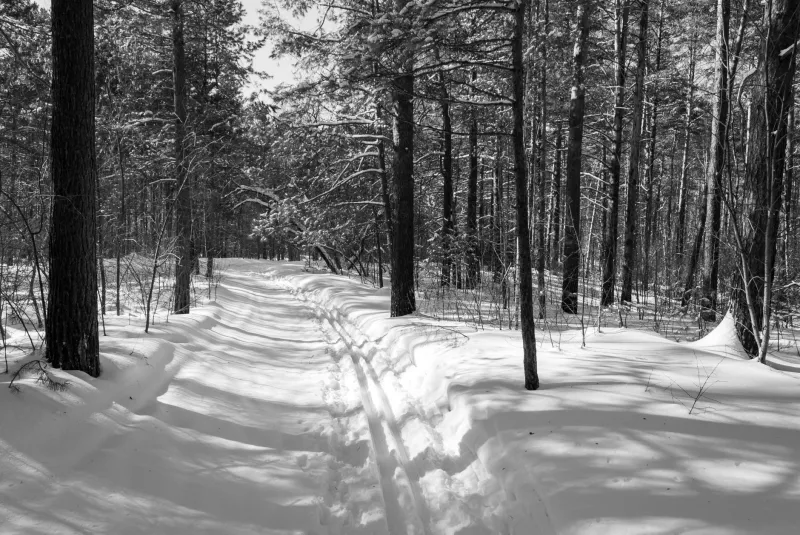
Winter: Going to Ground. Recovery, reflection, and strategic stillness. Not nothing — but nothing that depletes. Reviewing what worked and what didn't. Letting ideas sit without forcing them forward. Protecting the pack's capacity to run again.
The trap is believing that winter is wasted time. It's not. Winter is load-bearing. Skip it long enough and the whole structure cracks.
Rest Isn't Passive — It's Active Restoration
There's a difference between collapse and intentional dormancy. A pack that crashes after a brutal sprint isn't taking a creative winter — it's recovering from an injury that didn't have to happen. Real seasonal rhythm means building the winter before you need it, not after you've already broken something.
Active restoration for a creative pack might look like:
- A no-pitch month after a major launch, where the team consumes instead of produces
- Scheduled retrospectives that actually examine the emotional and creative cost of a project, not just the metrics
- Permission structures that make it genuinely okay to say I don't have anything right now without it being treated as a red flag
- Leadership modeling rest visibly — not just permitting it in theory while personally never taking it
The last one matters more than most creative leaders want to admit. If the people at the top of the pack are visibly running at 100% all year, the rest of the pack gets the message. No policy overrides what leadership actually does.
The Counterintuitive Competitive Advantage
Here's the part that tends to get people's attention: packs that build real winters into their rhythm don't fall behind. They pull ahead.
The research on this is consistent across domains — whether you're talking about athletic training periodization, creative output studies, or organizational psychology. Performance degrades under continuous high-load conditions. Recovery isn't just nice to have; it's where adaptation happens. The body, the mind, and the creative muscle all get stronger during rest, not during effort.
Meaning: the team that ships three strong projects with genuine recovery periods between them will almost always outperform the team that ships six mediocre ones while grinding nonstop.
Quantity without rhythm isn't productivity. It's erosion.
How to Actually Sell This to Your Pack
If you're reading this and thinking this sounds right but I have no idea how to convince my team (or my boss, or my clients) — fair. American work culture is deeply allergic to rest, especially in creative industries where output is visible and the comparison game is relentless.
Start small. You don't need to announce a creative winter. You can start by protecting one low-output week after a major push. You can normalize saying we're in a scouting phase right now instead of we're not producing anything. Language matters. Reframing rest as a phase rather than an absence gives people something to hold onto.
And then let the results speak. A pack that comes back from a genuine winter with sharper instincts and real creative hunger is the most convincing argument you have.
The hunt is better when you've actually rested between runs. The wolves have always known this. Time for the rest of us to catch up.