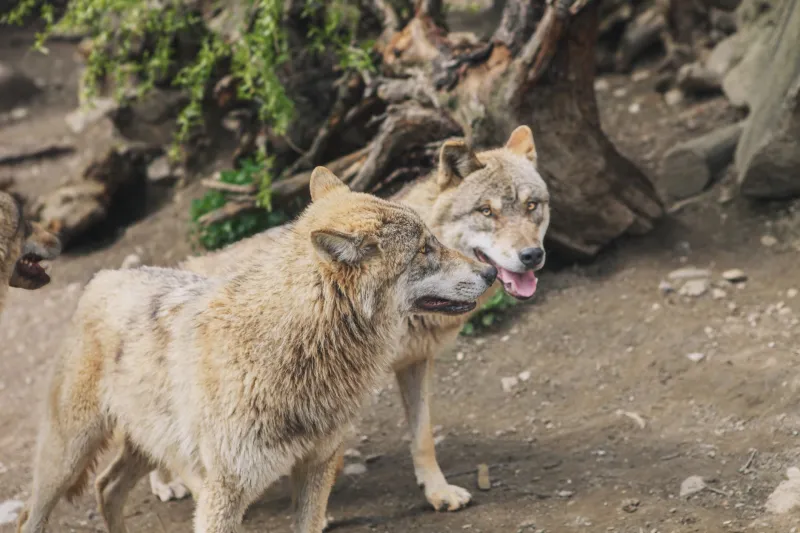
Blood in the Water: Reading the Signs That Your Pack Has Found Something Worth Chasing
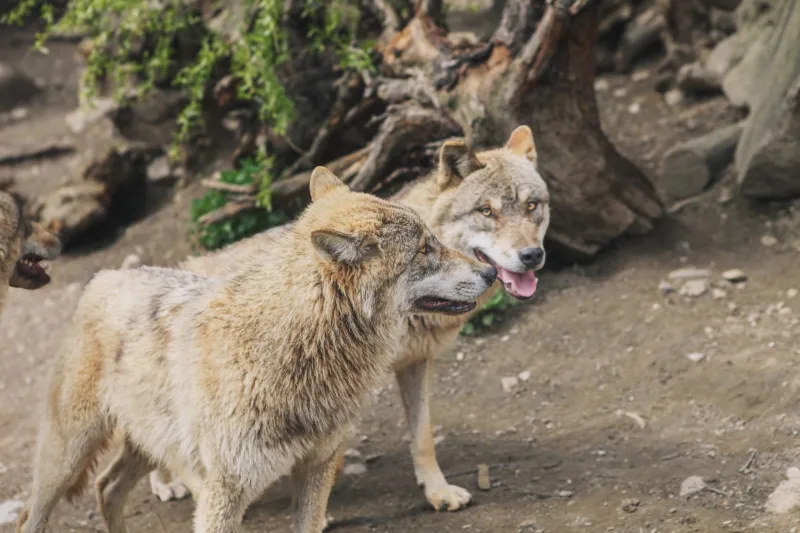
Most creative projects start the same way. Someone pitches an idea, the group nods along, and before long you're all running in the same direction — not because you're fired up about it, but because running felt better than standing still. You've got momentum. You've got a plan. What you don't always have is a reason to care.
That's the trap. Momentum isn't the same thing as obsession. And a pack running on obligation instead of instinct will eventually slow down, spread thin, and let the trail go cold.
The good news? When your pack has genuinely found something — a project, a story, a creative direction that actually matters — you don't have to guess. The signs are right there if you know what to look for.
The Room Changes Before Anyone Says a Word
You know that moment in a pitch meeting when an idea lands differently? It's not always loud. Sometimes it's the opposite. The side conversations stop. People put their phones down. Someone leans forward without realizing they did it.
That shift in the room is data. It's your pack's collective instincts firing before anyone has thought it through logically. Wolves don't debate whether to chase. They feel the pull and they move. Creative teams work the same way — the body language and energy in a room will tell you more about a project's real potential than any deck or outline ever could.
Pay attention to who goes quiet in a good way versus a skeptical way. There's a difference between the silence of people checking out and the silence of people actually thinking.
The Conversation Doesn't End When the Meeting Does
Here's one of the clearest signals a project has real teeth: your pack keeps talking about it after the formal session is over. In the parking lot. In the group chat at 11pm. Over lunch three days later.
Obligation projects die at the end of the meeting. People close their laptops, nod at the action items, and move on. But when something has genuinely grabbed the pack, it follows you home. Someone texts an idea they had in the shower. Another person shares a reference they stumbled onto while doing something completely unrelated. The project starts bleeding into the rest of life — and that's not a bad thing. That's the scent of something real.
If your team's best creative conversations are happening outside the scheduled hours, that project deserves more room to run.
People Start Volunteering Ownership
Obligatory projects get assigned. Genuine obsessions get claimed.
Watch for the moment when someone on your team stops waiting to be asked and starts volunteering. They want to write that section. They want to own that piece of the build. They're already researching something you didn't ask them to research. That self-direction isn't just enthusiasm — it's a wolf marking territory because they actually want it.
This kind of spontaneous ownership is one of the strongest signals you've got. It means the project has connected to something personal in your pack members. And personal investment is the engine that keeps creative work alive when the obstacles show up — and they always show up.
The Disagreements Get Sharper
Counter-intuitive, but true: a project your pack genuinely cares about will generate more conflict, not less. When nobody really cares, everyone agrees. When people are invested, they fight for their vision of what the thing should be.
Sharp, specific disagreements — about tone, direction, execution — are a sign that your pack has skin in the game. The arguments that should worry you are the vague ones, the shrug-and-move-on ones. If your team is arguing with passion and precision about the details, that's not dysfunction. That's a pack that wants to get it right.
The trick is learning to read the difference between productive creative friction and the kind of conflict that comes from misaligned values or unclear goals. The former is fuel. The latter is a warning.
When to Double Down — and When to Let It Die
Once you've spotted these signals, the move isn't complicated: clear the path and let the pack run. Double down on the resources, the time, and the creative space. Stop hedging. Stop treating it like one of twelve equally weighted priorities. A project that has your pack's genuine obsession attached to it deserves to be treated like the rare thing it is.
But here's the flip side. If you're running a project and none of these signs are showing up — if the conversations stay in the meeting room, if contributions feel like homework, if nobody's claiming ownership — that's also data. Painful data, but useful.
Not every idea deserves to be chased to the end. Some trails go nowhere. The pack that can recognize a dying trail and turn back without ego is the pack that has energy left for the next real hunt.
Knowing the difference between a project worth everything and one you're just finishing out of stubbornness might be the most important skill a creative team can develop. The scent of something real is unmistakable — once you've felt it, you'll know it when it shows up again.
Stop running on obligation. Wait for the pull. Then go hard.