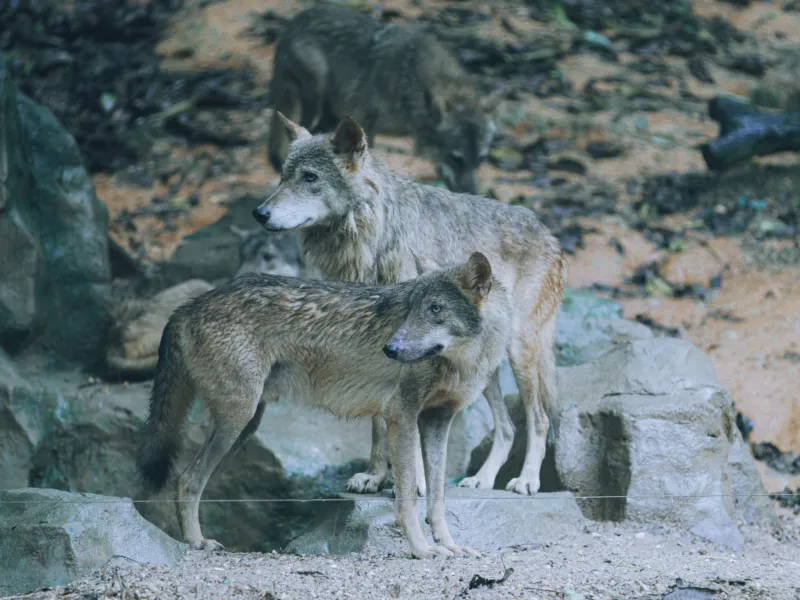
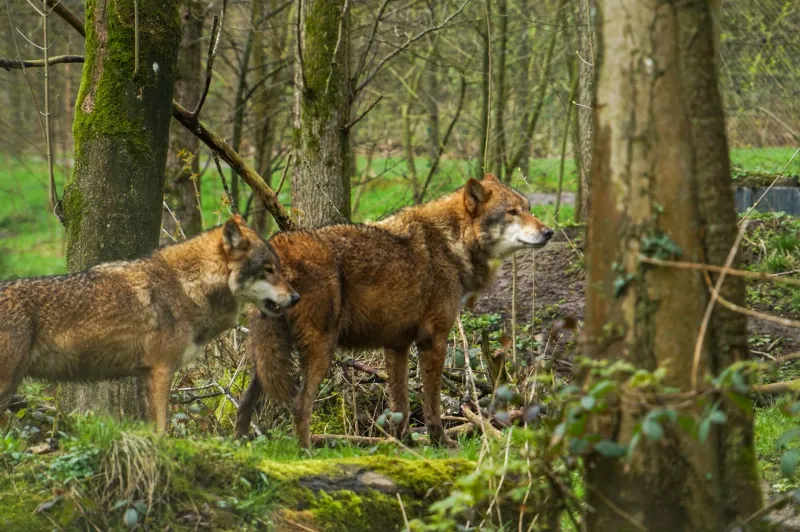
Swim or Stay: Knowing When Your Pack Has Outgrown the Only River It's Ever Known

Every creative pack finds its territory eventually. Maybe it's a genre. A platform. A specific corner of a subculture that nobody else was paying attention to when you staked your claim. You got good at it. You built an audience. You developed a voice that fits that space like a well-worn trail through familiar woods.
And then, at some point that's hard to pinpoint exactly, the territory stops growing. The work starts feeling like repetition. The audience is still there, but they're not surprised anymore. And your pack — the people doing the actual creative work — starts showing up with a little less hunger.
This is the moment most creative teams handle wrong. They either stay too long out of fear or bolt too fast out of restlessness. The packs that navigate it well do something harder: they make the crossing deliberately.
Reading the Signs That the Den Has Grown Too Small
Before you can make a smart move, you have to be honest about why you're feeling the pull. Not every creative restlessness is a signal to abandon your territory. Sometimes it's just the natural dip that comes mid-project, or the friction of a team going through a rough patch. You don't want to blow up a functional creative home because of a bad quarter.
But there are specific signs that something deeper is happening. When your best pack members start describing the work in terms of what it used to feel like rather than what it feels like now, that's worth paying attention to. When pitches inside the team start recycling old ideas with cosmetic changes, that's a sign the well is running dry. When you catch yourself explaining your work to outsiders and feeling vaguely embarrassed by how narrow it sounds — that's a signal too.
The difference between a temporary slump and a genuine creative ceiling is usually time and pattern. One bad stretch is a slump. Two years of incrementally smaller ideas is a ceiling.
What It Actually Costs to Cross
Let's be direct about something: leaving comfortable territory is expensive, and pretending otherwise will get you in trouble. You will lose some of your existing audience. Not all of them, but some. People who found you in a specific context and built a relationship with that specific version of your work are not automatically going to follow you somewhere new. That's not disloyalty — that's just how audiences work.
You'll also lose time. The expertise you built in your old territory doesn't fully transfer. You'll be learning again, which means you'll be slower and less polished for a while. For a team used to being the confident pack on its own turf, that beginner feeling is genuinely uncomfortable.
And you'll face internal resistance. Some of your pack members will be energized by new territory. Others will be scared of losing what they've built. Both reactions are legitimate, and you need to have the honest conversation instead of steamrolling either side.
How Creators Have Actually Done This
The examples worth studying aren't the ones where a creator just announced a pivot and hoped for the best. The ones worth paying attention to are the ones that treated migration as a process rather than an event.
Think about how many YouTube creators built massive audiences in one format — gaming, beauty, commentary — and then successfully shifted into longer-form documentary content, podcasting, or even fiction projects. The ones who did it well didn't just disappear and reappear somewhere else. They brought their audience along incrementally. They introduced the new territory in small doses while still operating in the familiar one. They narrated the shift — talked openly about what they were doing and why — so their audience felt like participants in the journey rather than people who got left behind.
The same pattern shows up in publishing, in game development, in music. The successful pivots are almost always gradual and transparent. The failed ones are usually abrupt and unexplained.
The Logistics of a Deliberate Migration
If your pack has decided the crossing is necessary, here's what a deliberate approach actually looks like in practice.
First, don't burn the old den before the new one is built. Run parallel for a period — continue delivering in your established territory while actively developing in the new one. This buys you time, keeps existing audience trust intact, and gives your team real experience in the new space before you're fully committed to it.
Second, bring your audience into the conversation explicitly. Tell them what you're exploring and why. Creative audiences, especially loyal ones, are more flexible than you think — but they need to feel respected, not surprised. A community that feels like it's been brought along on a journey is far more forgiving of the growing pains than one that feels like it showed up one day and found a different pack in the den.
Third, identify which parts of your creative identity travel with you and which parts were specific to the old territory. Your voice, your values, your standards — those cross the river. The specific format, genre conventions, or platform habits might not. Knowing the difference helps you maintain continuity for your audience while genuinely exploring something new.
The Pack That Moves Together
The hardest part of crossing into new territory isn't the logistics. It's getting your whole pack to believe the move is necessary before the old territory has completely dried up. By the time everyone agrees the den is uninhabitable, you've already waited too long.
The packs that make successful crossings are the ones where leadership can articulate not just what the new territory offers, but what staying would actually cost — in creative energy, in relevance, in the slow erosion of the hunger that made the pack worth following in the first place.
Safety isn't staying where you know every trail. Sometimes safety is having the courage to leave before you have to.
The river's cold. Go anyway.