The Wolf Who Hunts Alone: Managing the Brilliant Outlier in Your Creative Pack
You know exactly who I'm talking about. Maybe you've worked with them. Maybe you are them.
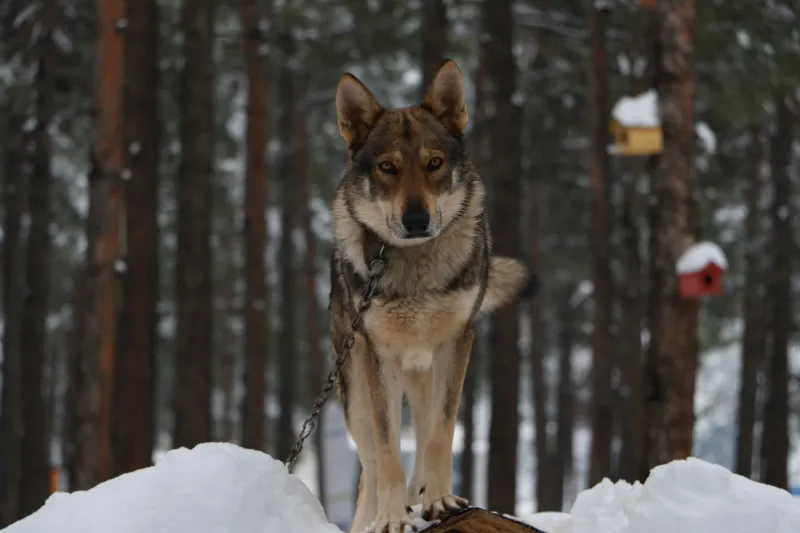
They show up on their own schedule. They disappear for days and then surface with something that makes everyone else's work look polite by comparison. They skip the brainstorms, ignore the shared docs, respond to Slack messages somewhere between rarely and never — and then deliver a piece of work that changes the direction of the entire project. They're not a team player by any conventional definition. They're also, inconveniently, one of the most valuable people on your roster.
How do you handle that?
The honest answer is: carefully, and without assuming you already know the right move.
The Instinct to Domesticate Is Almost Always Wrong
When a creative team encounters a genuine outlier, the instinct — especially from leadership — is to bring them into the fold. Get them in the meetings. Make them participate in the process. Make them a team player. This feels like fairness. It feels like cohesion. It usually isn't either.
Forcing a wolf that hunts alone into pack formation doesn't make them a better pack member. It makes them a worse hunter. The conditions that produced the exceptional work — the solitude, the idiosyncratic process, the freedom from group consensus — get systematically dismantled in the name of collaboration, and what you're left with is a mediocre version of someone who used to be extraordinary.
This isn't a defense of antisocial behavior or a free pass for someone who's genuinely creating problems. It's a recognition that creative process is deeply personal, and that the methods that produce exceptional output vary enormously from person to person. Some people's best thinking happens in the friction of group dialogue. Others need isolation, silence, and the specific pressure of working without a net. Neither is more legitimate. They're just different.
What the Outlier Actually Needs From the Pack
Here's where it gets interesting. Most lone-wolf creators don't actually want total isolation — they want selective connection. They want access to resources, feedback at specific moments of their choosing, and the sense that they're contributing to something larger than their own output. They just don't want the overhead of constant collaboration.
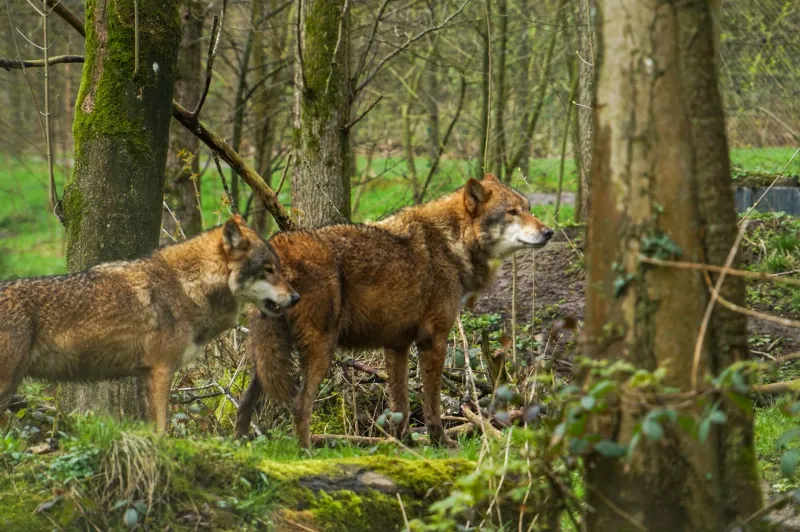
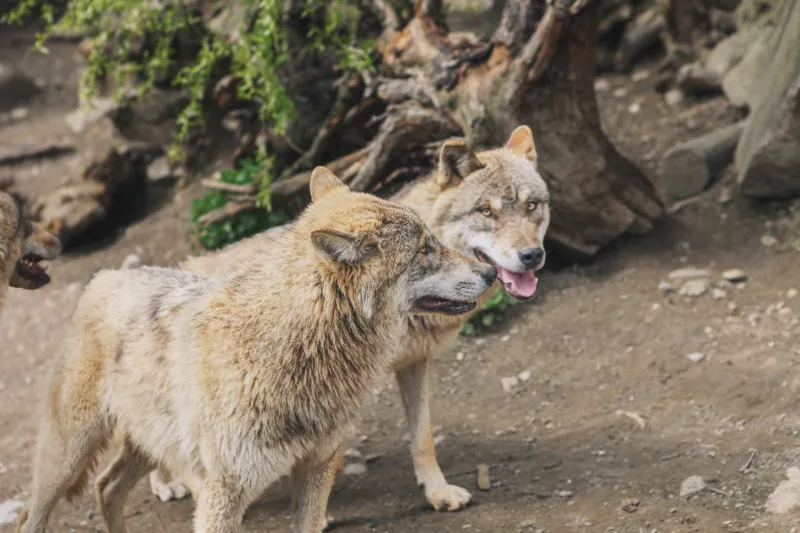
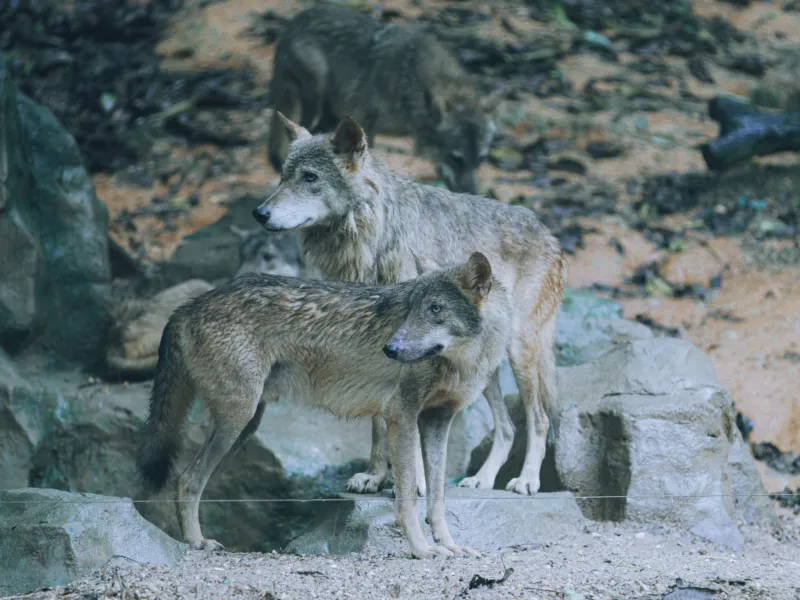
Think about how this actually plays out in the wild. Solitary wolves — typically young males or dispersers — aren't pack animals in the traditional sense, but they're still operating within a larger ecosystem. They benefit from territories established by packs. They pick up information from the landscape that packs have shaped. They occasionally interact, sometimes productively.
Your outlier creator is doing something similar. They want the pack's territory — the shared vision, the client relationships, the platform — without the pack's daily rhythms. That's not an unreasonable ask, if you structure it right.
The question to put to them directly (and this requires an honest conversation, not a performance review): at what points in your process does outside input actually help you? Where does it get in the way? What does support look like to you versus interference? Most outliers, when asked these questions with genuine curiosity rather than thinly veiled frustration, have surprisingly specific answers.
The Impact on the Rest of the Pack
This is the part that gets uncomfortable, because the outlier's existence doesn't just affect their own output — it affects everyone else's experience of the team.
When one person visibly operates outside the agreed-upon norms and produces exceptional results, it creates pressure on everyone else. It can breed resentment: why do they get to skip the meetings? It can create confusion about what the actual rules are. And in some cases, it spawns a culture of freelancing — everyone starts doing their own thing, and the collective intelligence of the pack evaporates.
These are real costs. Any honest assessment of the brilliant outlier has to weigh them. If the outlier's exceptional output is coming at the price of the pack's cohesion, trust, or morale, that's not a neutral trade-off. That's a slow structural damage that can take years to fully surface and is very hard to reverse.
The solution isn't to pretend this tension doesn't exist. It's to name it explicitly, with the whole team, and make a collective decision about how you want to navigate it. That conversation — uncomfortable as it is — does more for pack trust than any amount of enforced participation.
Structures That Honor Both Realities
Some creative environments have gotten genuinely creative about this. Giving outliers clearly defined "contribution zones" — specific projects or phases where their involvement is expected and their autonomy within that zone is protected — rather than asking them to be present across all of the pack's activity. This gives the rest of the team a legible framework: they're not exempt from everything, they're structured differently, here's how and why.
Other teams have had success with what you might call a satellite model. The outlier isn't a core pack member operating in the daily rhythm — they're a trusted external collaborator who gets pulled in for specific hunts. They retain full autonomy, the pack gets access to their specific genius, and nobody has to pretend the fit is different than it is. This requires everyone involved to be honest about what the relationship actually is, which is harder than it sounds.
The worst outcome — and it happens constantly — is the informal exception that everyone knows about but nobody has officially acknowledged. The outlier who technically has the same job as everyone else but operates by completely different rules, with the whole team aware of the double standard and management pretending otherwise. That arrangement breeds the kind of quiet resentment that doesn't announce itself until it's already poisoned the well.
When Letting Them Go Is the Right Call
Sometimes, the honest answer is that a particular wolf and a particular pack are just not compatible — not because either is wrong, but because the fit isn't there. Some outliers need a level of autonomy that a structured team genuinely cannot provide without harming itself. Some packs need a level of cohesion that a true outlier genuinely cannot offer without harming their own work.
Recognizing that early, and making a clean decision rather than a prolonged uncomfortable compromise, is one of the most generous things you can do for both parties. It's also one of the rarest. We tend to hold on — out of loyalty, out of hope, out of not wanting to be the one who gave up on the difficult genius.
But a wolf that doesn't fit the pack isn't a failure. They're just hunting on different ground. The kindest thing you can do, sometimes, is point them toward the territory where they'll actually thrive — and let them run.