The Dead Hunt: What Happens to the Ideas Your Pack Never Knew Were Dying
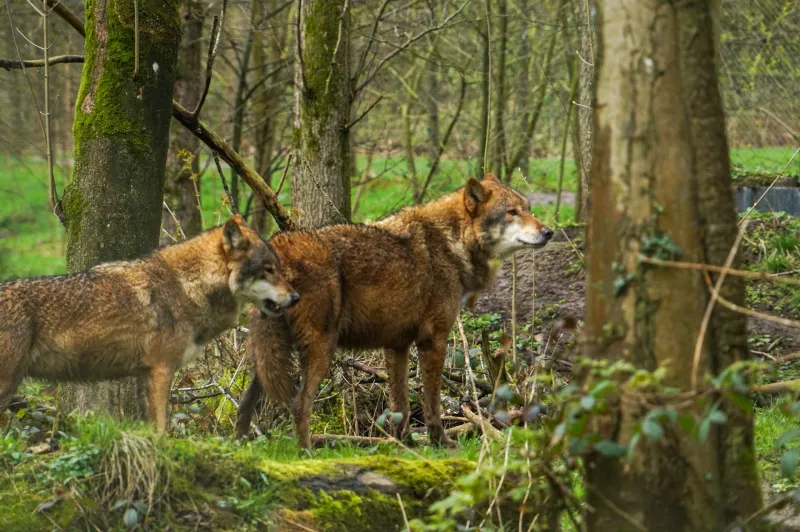
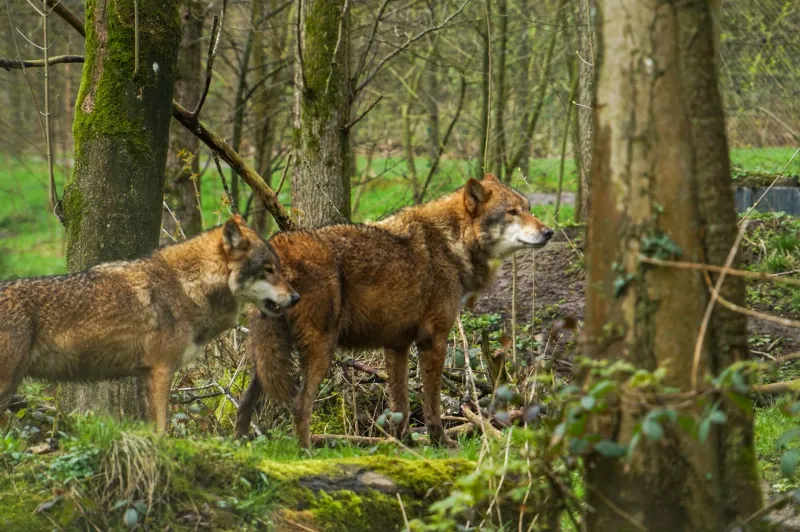
Imagine a wolf that scouts out prey, decides the odds look bad, and turns back without telling the rest of the pack. The pack never hunts that trail. They never know what was there. Maybe the odds were genuinely bad. Maybe the wolf was wrong. Either way — the decision got made alone, and the pack had no say.
This is happening in your creative team right now. Probably more than once.
Somebody had an idea. They turned it over privately, found reasons to doubt it, and quietly let it go before it ever reached the group. No pitch. No conversation. No collective judgment. Just one person's internal verdict — and then silence.
Sometimes that's the right call. Not every half-formed thought needs to be aired out. But sometimes what gets killed in private is exactly the kind of thing the pack would have caught, shaped, and turned into something real. And nobody ever knows, because the evidence disappears with the doubt.
Why Creators Kill Their Own Ideas Before Anyone Else Can
This isn't a laziness problem or a confidence problem in the simple sense. It's more layered than that.
Creative work in the US — especially now, with social media comparison running at full volume — has become intensely performance-adjacent. The way ideas get shared, discussed, and evaluated is often less like a collaborative hunt and more like a pitch competition. Which means bringing a half-formed idea to the group carries real social risk. If it doesn't land, that's a data point about you. Your taste. Your judgment. Your value to the pack.
So people self-edit. Hard. They run the idea through their own internal filter, and if it doesn't clear the bar they imagine the group is holding, they drop it quietly and move on. The idea never makes it out of their head. The pack never gets to weigh in.
Psychologists call this a form of anticipatory rejection — you experience the imagined negative response before it happens, and you act to avoid it. The result is that creative groups systematically lose access to a huge portion of the raw material their members are actually generating.
The Shame Loop Around Incomplete Work
There's a related problem that's worth naming separately: the shame that accumulates around ideas that got started and then stopped.
Abandoning something mid-process feels different from never starting it. There's a half-written script in a folder somewhere. A visual concept that got two weeks of development before the creator convinced themselves it was derivative. A game mechanic that almost worked before the designer quietly archived it. These aren't just unused ideas — they're ideas with a history of failure attached to them. And that history makes them harder to resurface.
Bringing a dead hunt back to the table means admitting you started something and stopped. In a culture that celebrates shipping and finishing and getting it done, incompleteness carries a quiet stigma. Even in packs that claim to be failure-positive, the emotional reality of showing an unfinished thing to your collaborators is often anxiety-producing enough that people just... don't.
The idea stays buried. The pack doesn't know it exists. The opportunity cost is invisible.
What the Pack Loses When This Keeps Happening
Individual ideas aren't the only casualty here. Over time, a pack culture where incomplete or uncertain ideas die in private develops a specific kind of creative poverty.
The work that gets made tends to be safer. The ideas that survive the private filter are the ones that feel defensible — which often means they're more conventional, more derivative, less risky. The genuinely strange and potentially brilliant stuff, the ideas that need the pack's eyes to find their shape, gets eliminated before it ever has a chance.
You also lose pattern recognition. When ideas die privately, the pack can't track what keeps almost happening. Sometimes a concept that three different people independently abandoned and buried is actually pointing at something real — a need, an opportunity, a creative direction the whole group is circling without realizing it. But if nobody surfaces those dead hunts, the signal stays buried in three separate mental folders.
Building Systems That Surface the Buried Stuff
This isn't about forcing everyone to share every half-thought. It's about creating specific, low-stakes containers where incomplete ideas can come back to life without requiring anyone to perform confidence they don't have.
The Graveyard Doc. Some creative teams keep a shared document — sometimes literally called the graveyard, sometimes something gentler — where anyone can drop an idea they stopped pursuing, with a one-line note on why. No judgment, no discussion required. Just a record. The doc gets reviewed collectively once a month or once a quarter. Sometimes nothing in it is worth revisiting. Sometimes one abandoned concept is exactly what the pack needs for a project it's currently stuck on.
The "Bad Idea" Meeting. Structured sessions specifically framed as a space for ideas that probably won't work. The explicit framing matters — it gives people permission to bring things they'd never pitch in a normal creative review. The bar is reversed: the goal isn't to bring your best idea, it's to bring something you already think is probably wrong. The psychological relief this creates is real, and the ideas that come out of these sessions are often the most generative.
Destigmatizing the Pivot Narrative. When leaders and senior members openly share the ideas they abandoned — and occasionally revisit them publicly — it normalizes the idea that incomplete work has value. Not every abandoned concept is dead. Some are just waiting for the right context, the right collaborator, the right moment in the pack's evolution.
Triage, Not Autopsy. When a dead hunt gets surfaced, the conversation shouldn't be about why it failed. That's an autopsy. The useful question is: given what we know now, is there anything here worth running with? Triage asks about present potential. Autopsy just assigns blame.
The Pack Sees What the Lone Wolf Misses
Here's the thing about individual creative judgment: it's limited by individual context. One person's reasons for abandoning an idea are filtered through their current mood, their recent experiences, their specific blind spots, their relationship to risk that week. None of that is the group's judgment — it's one wolf's read on the trail, made in isolation.
The pack has more data. More angles. More capacity to see what the individual missed.
Building a culture where incomplete ideas can come back to the table isn't about lowering creative standards. It's about recognizing that the standards applied in private — by a single person, under the weight of their own doubt — are not the same as the collective intelligence of a real creative pack.
Some of your best hunts are already dead. They don't have to stay that way.